
 Amelia Andriacco
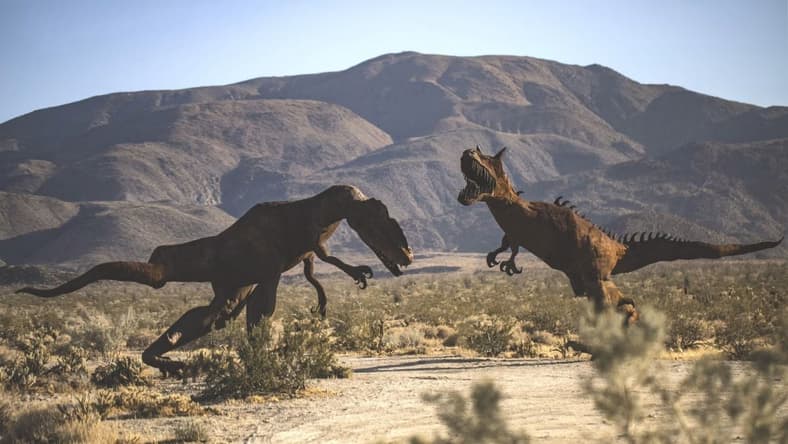
Movies like Jurassic Park portray dinosaurs as fierce, dangerous creatures. While some dinosaurs were huge carnivores with endless amounts of teeth, not every creature had frightening features. Many dinosaurs were harmless and even had features that can make us laugh as we learn about the prehistoric creatures. Here are 6 funny dinosaur facts that prove prehistory had a sense of humor.
6. Tyrannosaurus Rex Arms
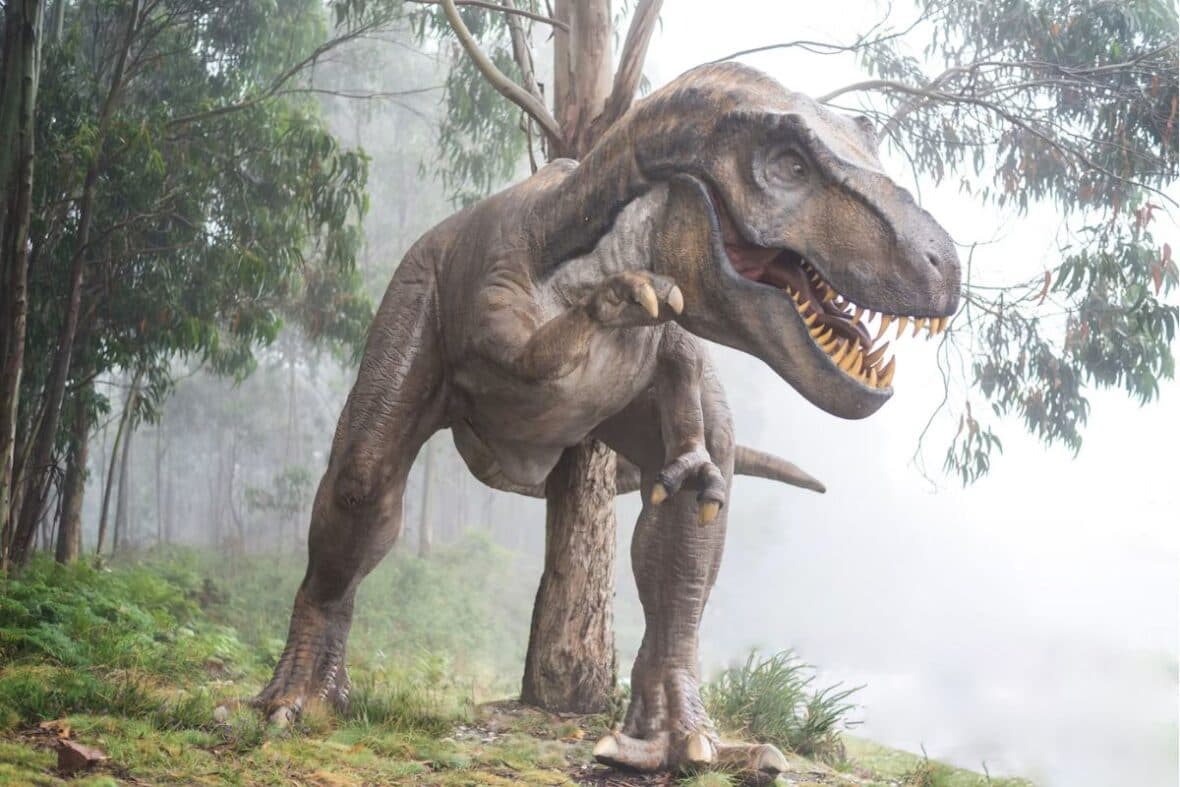
It is a commonly known fact that Tyrannosaurus Rexes had laughably small arms compared to the rest of their body. Arms that are three feet long may seem pretty lengthy until you realize a typical T. Rex was about 36 feet tall, with their skull being the size of a car door.
Though the hands of a T. Rex started out having 3 fingers, evolution resulted in only two functional claws.
The funnier part is that these arms were capable of much more than it seems. It is estimated that each arm has a curling force of about 400 lbs. The image of a T. Rex’s tiny two-fingered arms curling a 400 lb weight is absolutely hilarious to think about.
5. Stegosaurus Brain Size
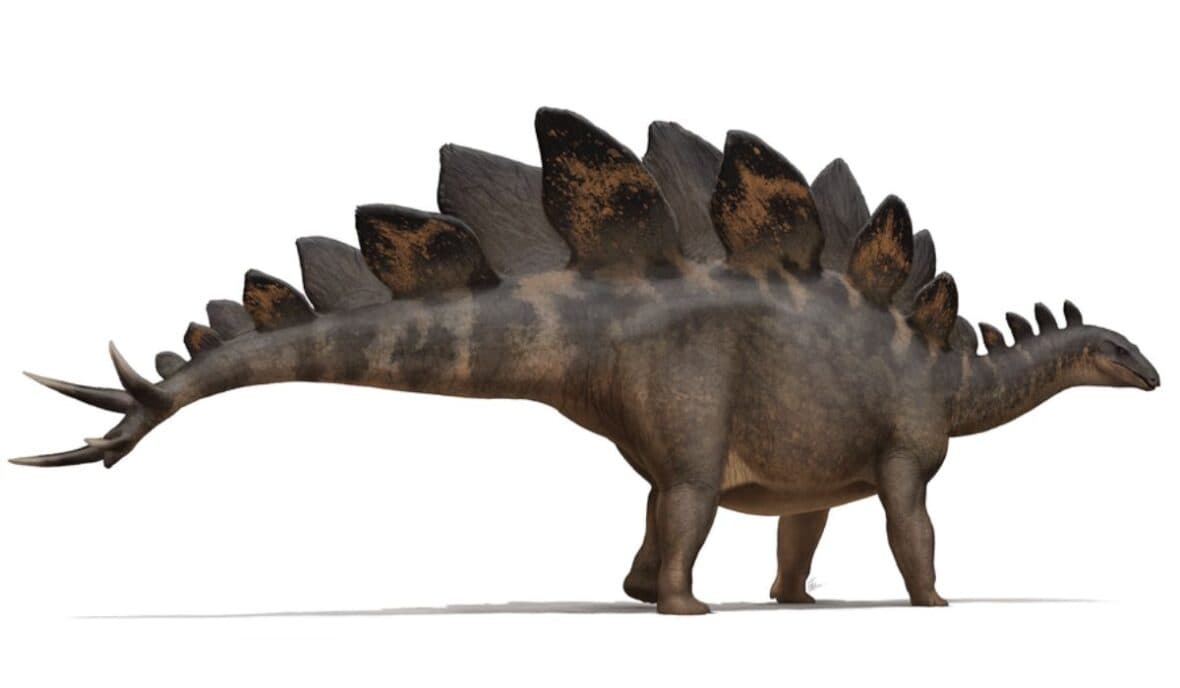
The stegosaurus has one of the lowest brain-to-body ratios among all dinosaurs. Despite its 27-foot length and weight of up to 5 metric tons, the brain was only about 70-80 grams. For context, that is roughly the size of a lime.
In fact, this dinosaur’s brain was so small that scientists developed a “second brain” theory. They theorized that this animal must have a second brain somewhere in the hip region.
Ultimately, the theory was dismissed due to a lack of evidence. It turns out that this herbivore survived just fine with its lime-sized brain.
4. Triceratops Head
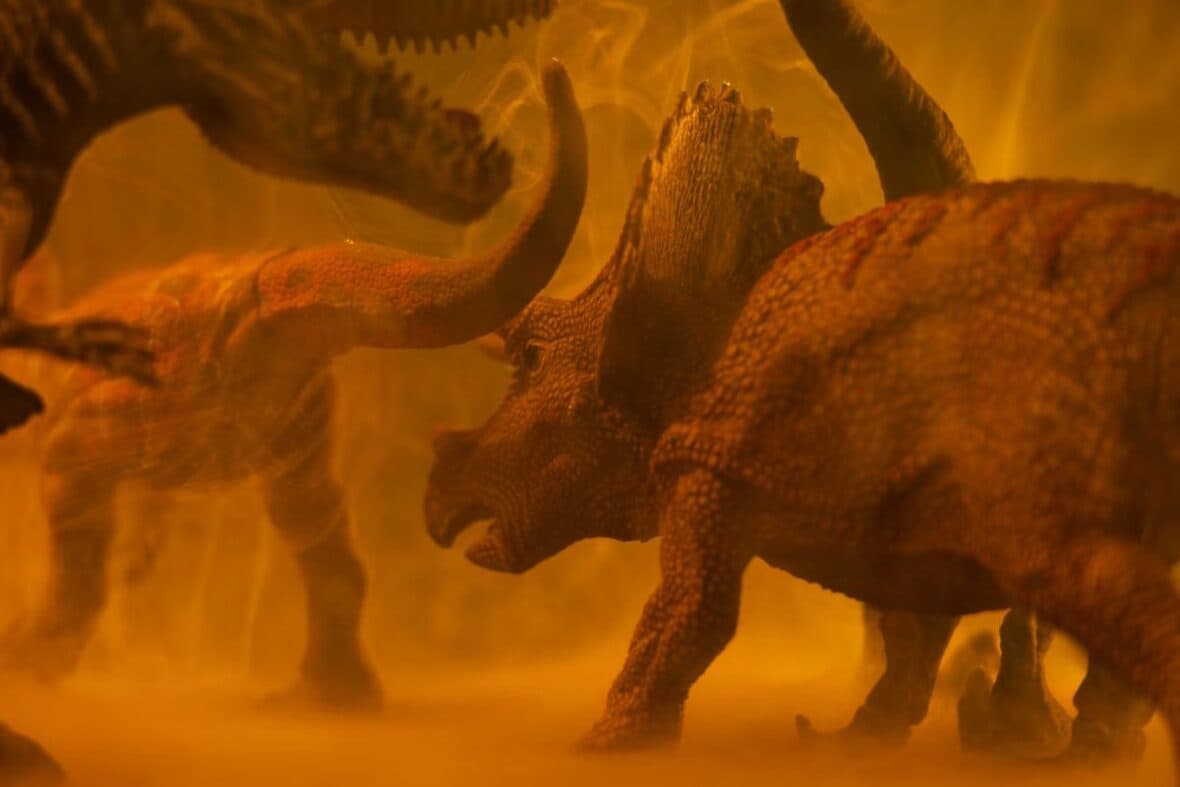
The Triceratops is known for having one of the biggest heads of any land animal ever. Though this animal is very long in length, about a third of their length is taken up by their head alone.
In fact, this dinosaur has almost comically large nostrils to account for its head size. The skull is too big not to get overheated, meaning the large nostrils are essential for keeping this animal cool.
3. Velociraptor Size
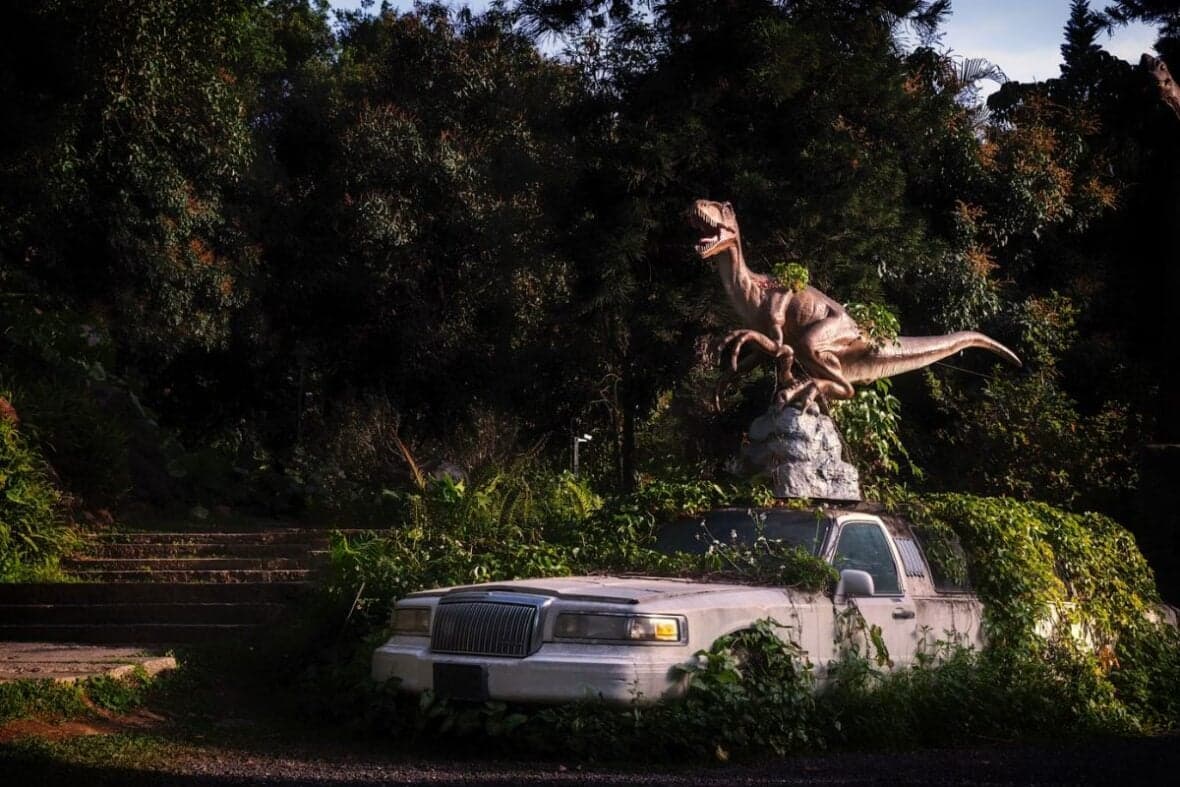
Though velociraptors are generally known to be smaller than other dinosaurs, they might be smaller than the media has led you to believe. These creatures are often portrayed as human-sized or even bigger. This, however, is a bit of an exaggeration.
Velociraptors were about 5-6.8 feet long, with their hip height being about 1.6 feet off the ground. In comparison, this is about the size of a turkey.
The size comparison of this seemingly vicious animal is funny enough on its own. What makes it even more funny is the fact that many dinosaurs were thought to have feathers. Instead of the tall, frightening creatures in Hollywood, velociraptors looked more like a feathered turkey.
2. The Irritator
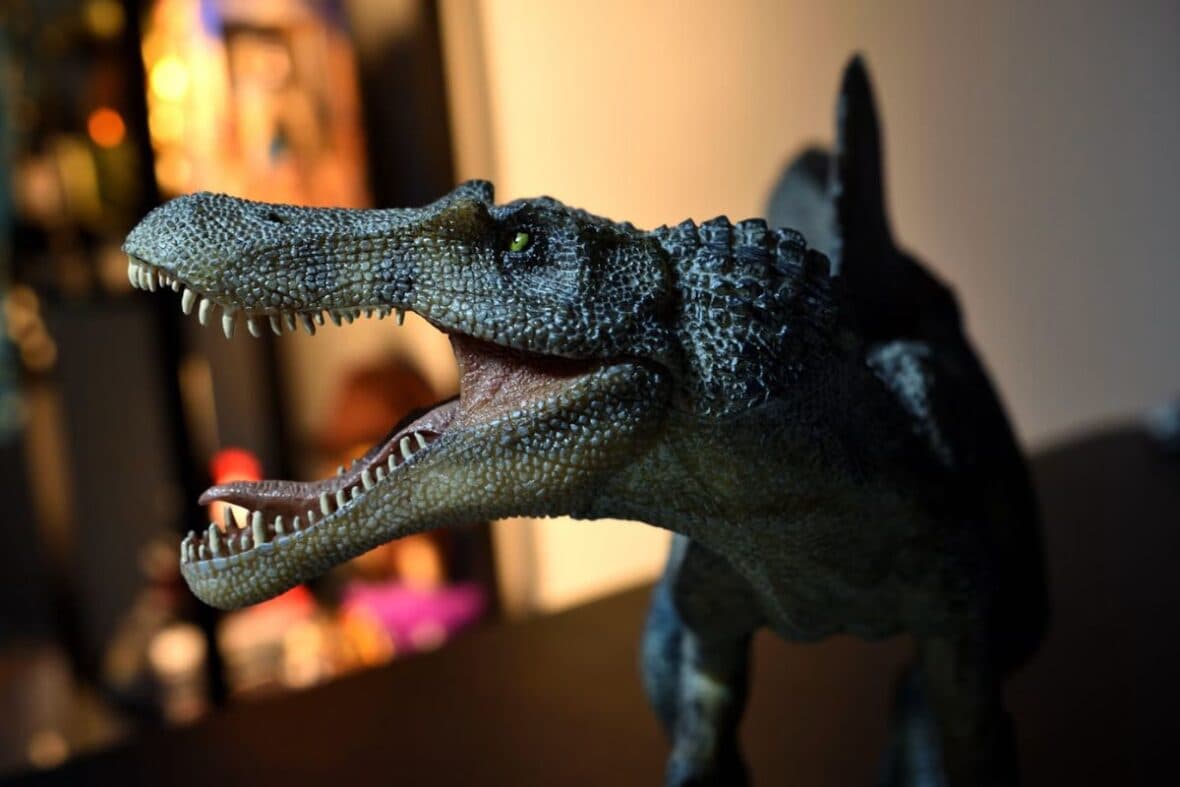
When this prehistoric creature was discovered, it caused a lot of confusion. Scientists simply could not identify the dinosaur’s classification. When studying its fossils, the creature was first thought to be a Pterosaur, then a Maniraptoran, until it was finally included in the Spinosaurid Theropod classification.
This struggle began to irritate the paleontologists involved. In fact, they were so irritated that they named the species after their frustration.
Though this is a more modern-day example, marking a scientific discovery as “the irritator” due to being annoyed is absolutely hilarious.
1. The Parasaurolophus Trumpet
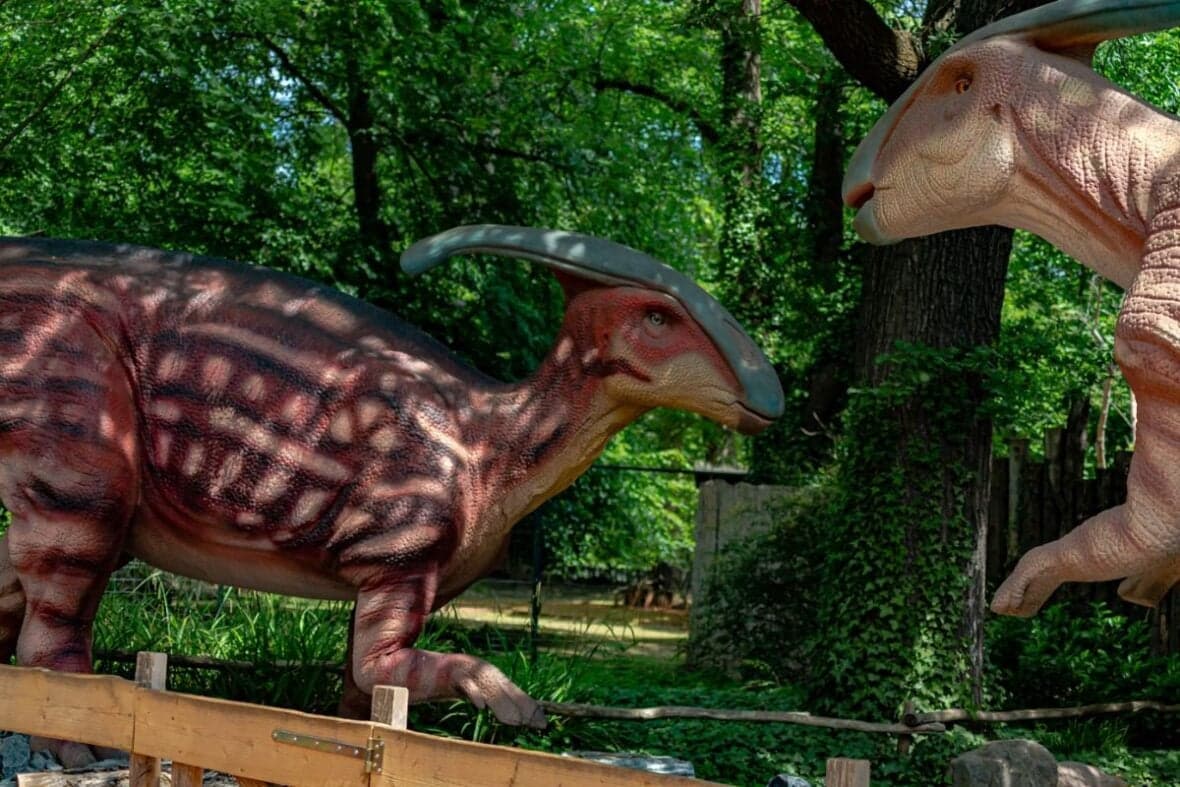
If you have seen a depiction of a Parasaurolophus dinosaur, you likely noticed the big curved horn atop its head. After years of trying to figure out its purpose, the scientific explanation is way funnier than the original theories.
Instead of being used for underwater feeding or an enhanced sense of smell, like some scientists suggested, the horn is actually an advanced musical instrument.
Not only could it make music, but it could also produce multiple musical tones simultaneously. The internal structure is like a blueprint for the perfect wind instrument. Similar to instruments, different individuals could create different pitches.
The sound of a beautifully played wind instrument is probably the last thing someone would expect to hear during prehistoric times, which makes the thought both intriguing and funny.