
 Duane Beckett
World War II bunkers were built for survival, secrecy, and storage. Still, some discoveries have been outright unbelievable over the decades. Soldiers and researchers have found stolen masterpieces, luxury wine collections, secret resistance hideouts, and imperial treasures in places that were supposed to be cold and practical. The following finds in World War II bunkers are the most unbelievable discoveries to date.
Michelangelo’s Madonna of Bruges and the Ghent Altarpiece
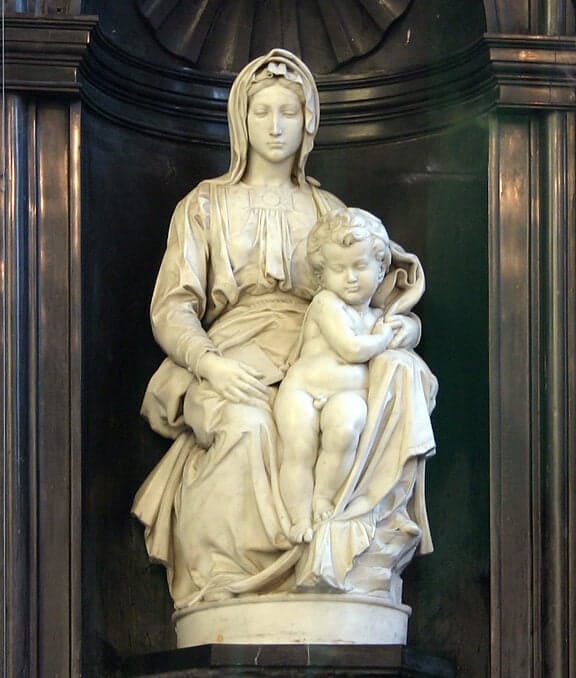
The Altaussee salt mine was not a normal bunker; it turned out to be a mountain-sized art vault. U.S. Monuments Men found Michelangelo’s Madonna of Bruges and the Van Eyck brothers’ Ghent Altarpiece hidden there as World War II ended in May 1945.
The Smithsonian Magazine reported that Captain Robert Posey and Pfc. Lincoln Kirstein entered the mine and found panels of the Ghent Altarpiece inside. They also discovered Michelangelo’s Madonna within days.
According to the Smithsonian’s Archives of American Art, the mine held roughly 6,500 paintings, plus statues, books, furniture, and jewels. A wartime bunker is one thing, but a secret storage site for some of Europe’s greatest art, set aside for Hitler’s planned museum in Linz, feels like something out of an Indiana Jones movie rather than a true story about finds in World War II bunkers.
Hermann Göring’s Private 16,000-Bottle Wine Cellar
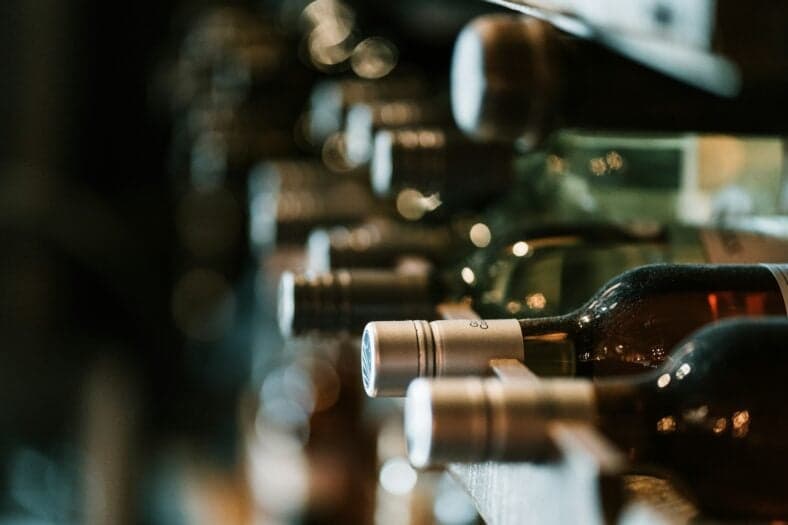
Hermann Göring’s private wine stash was found around Berchtesgaden as Allied troops closed in during May 1945. The National WWII Museum reported that the U.S. 3rd Infantry Division discovered Göring’s wine cellar, which contained 16,000 bottles. The soldiers loaded up trucks with bottles and took them back toward Austria.
Information from Wine History Tours shows that the wider Obersalzberg area also held huge quantities of French wine, Champagne, Cognac, cheese, canned food, and other supplies. I collect oddities, so I get the pull of rare finds, but this turned a military bunker complex into a luxury wine vault that was worth millions. That’s not defense, but hoarding.
Churchill’s Secret Army Sabotage Kit Hidden in a Forest
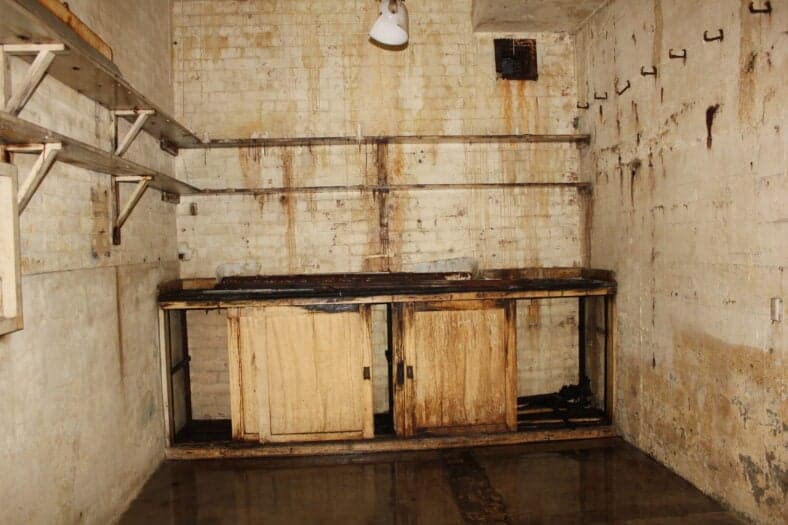
Forestry and Land Scotland (FLS) found this underground World War II bunker in 2020 while carrying out felling work in Craigielands Forest. It was believed to be an operational base for an Auxiliary Unit, a secret Home Guard branch often called Churchill’s “secret army.”
According to the FLS, the bunker was used by about seven men armed with revolvers, Sten guns, a sniper’s rifle, and explosives.
Smithsonian Magazine stated that these units were trained to sabotage enemy forces if Britain was invaded. Some manuals were disguised as ordinary items, including fertilizer booklets and calendars. The unbelievable aspect is that the bunker itself was hidden until 2020 and is a time capsule for what Britain may have resorted to if Germany had invaded it.
Masterpiece Paintings and the Holy Roman Empire’s Crown Jewels
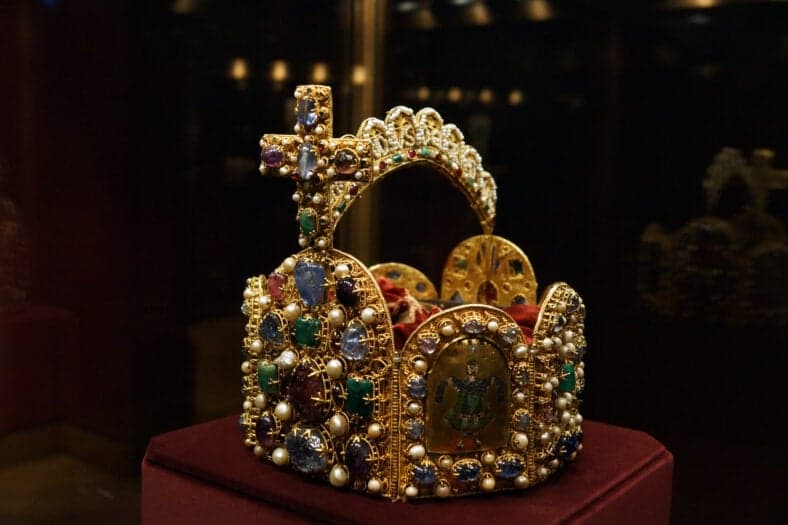
Nuremberg’s Historischer Kunstbunker sat deep under Castle Hill, using old cellar spaces as a bombproof art shelter. The official Nuremberg tourism site states that the bunker protected major city treasures, including Martin Behaim’s globe, Albrecht Dürer works, scientific instruments, church art, and musical instruments. It also held stolen pieces from outside Germany.
Amazingly, the bunker also stored Veit Stoss’s High Altar from Kraków and the Imperial Insignia of the Holy Roman Empire from Austria. That’s a wild sentence to process. One minute we’re talking about a World War II bunker, and the next, we’re covering symbolic treasures of a 1,000-year-old empire.