
 Nikole Stewart
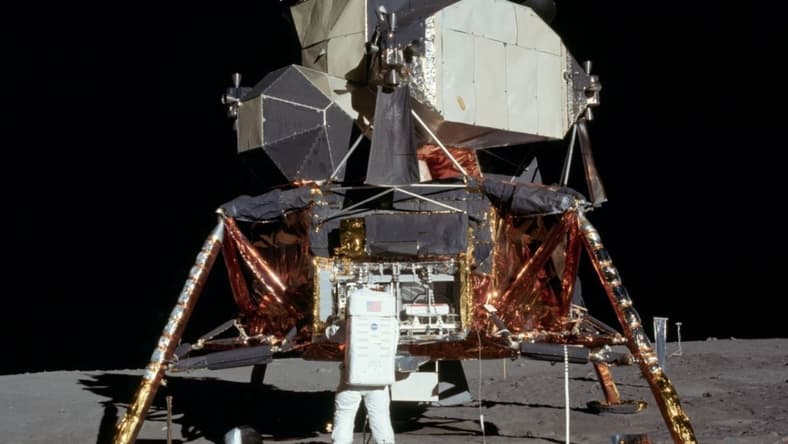
The moon landing was one of the most significant events in history. While there’s a lot of information surrounding it, especially conspiracy theories, there are some weird facts about the moon landing that most people have forgotten about. The 1969 moon landing was a well-documented event, with the astronauts bringing cameras to make sure it was captured properly. But even still, there is a bit of obscurity surrounding it. Thankfully, with these facts, you can learn a bit more about this amazing feat in history.
6. Aldrin Took Communion on the Moon
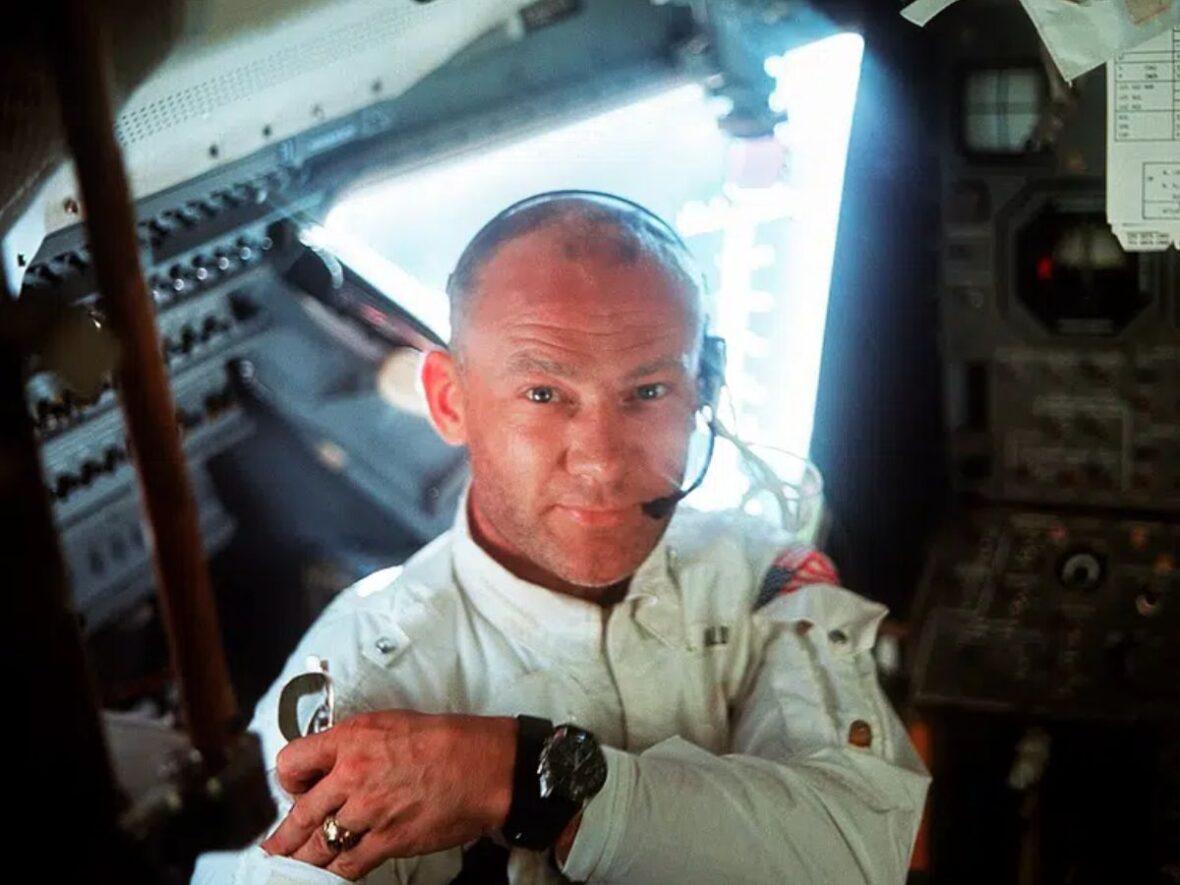
There are so many significant moments during the 1969 moon landing, and one of them was Buzz Aldrin taking communion. When Apollo 11’s Eagle lunar module landed, they had to wait a bit to venture outside. So of course, Aldrin decided to use his time by taking part in the first Christian sacrament ever performed on the moon – a rite of Christian communion.
Even for those who don’t believe, it can be acknowledged that this was a significant moment that shows the humanity of the mission. The event has been commemorated as Lunar Communion Sunday by Webster Presbyterian Church.
5. The Flag Was Specially Created
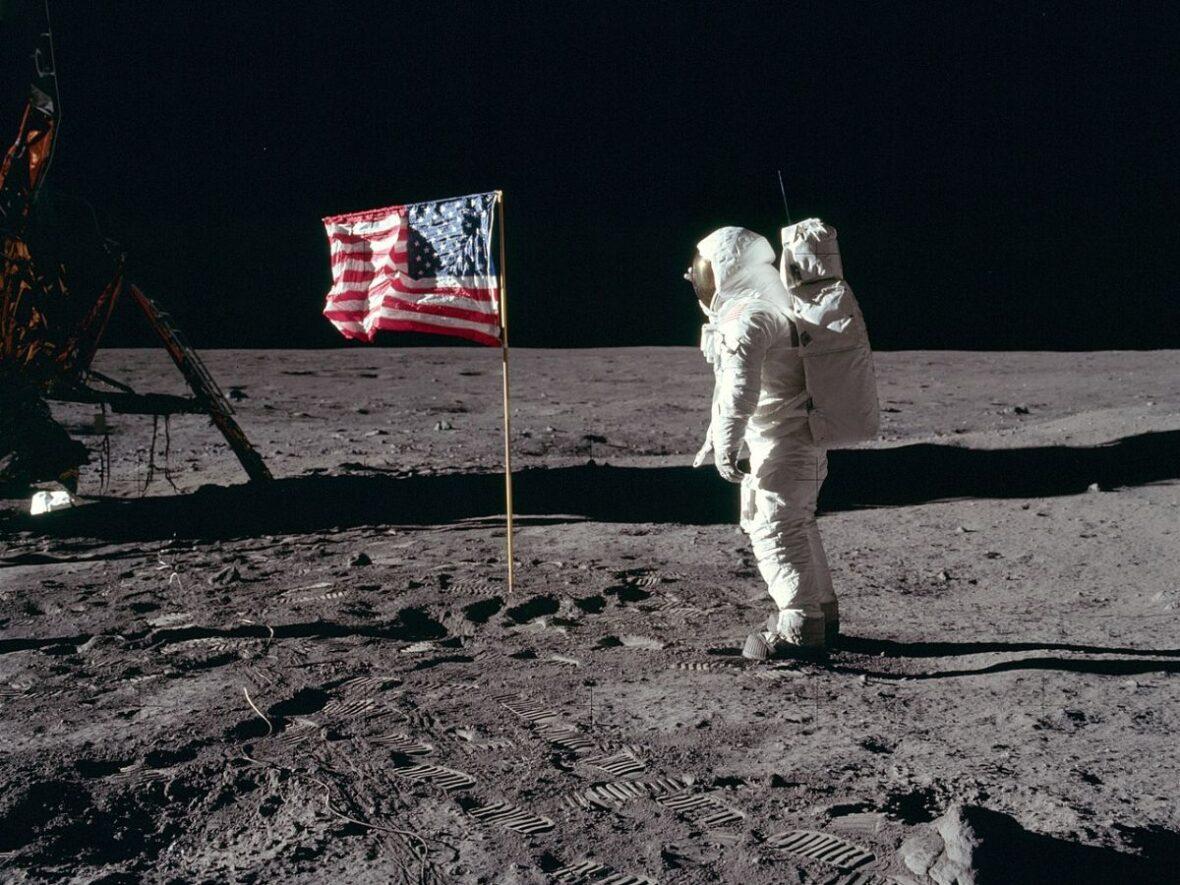
One of the biggest talking points when it comes to the conspiracy theory of the moon landing is the flag. The way it moves, or, doesn’t move, on the moon is a big reason people believe it’s a hoax. Interestingly enough, the flag is actually one of the many weird facts about the moon landing you might not be aware of.
The Lunar Flag Assembly was a kit containing a flag of the United States designed specifically for the moon during the program, designed specifically for the moon’s unique environment. It’s a nylon flag with a hemmed top edge to allow a metal rod to slide through, giving it its rigidity look that so many people question.
4. Apollo Influenced Many Inventions

One of the many weird facts about the moon landing that you might not have known is that there were a lot of inventions influenced by the program. For instance, Nike’s Air cushioning technology was influenced by NASA’s Apollo 11 Mission.
After working on Saturn and Apollo rocket engines, aeronautical engineer M. Frank Ruby retired and started working on a new type of shoe sole, creating a process called ‘blow rubber moulding,’ which is similar to how helmets worn by Apollo astronauts inflate. Other creations were influenced as well by the mission, like anti-fog goggles, cordless technology, and even certain vacuums.
3. Civil Rights Activists Opposed the Launch
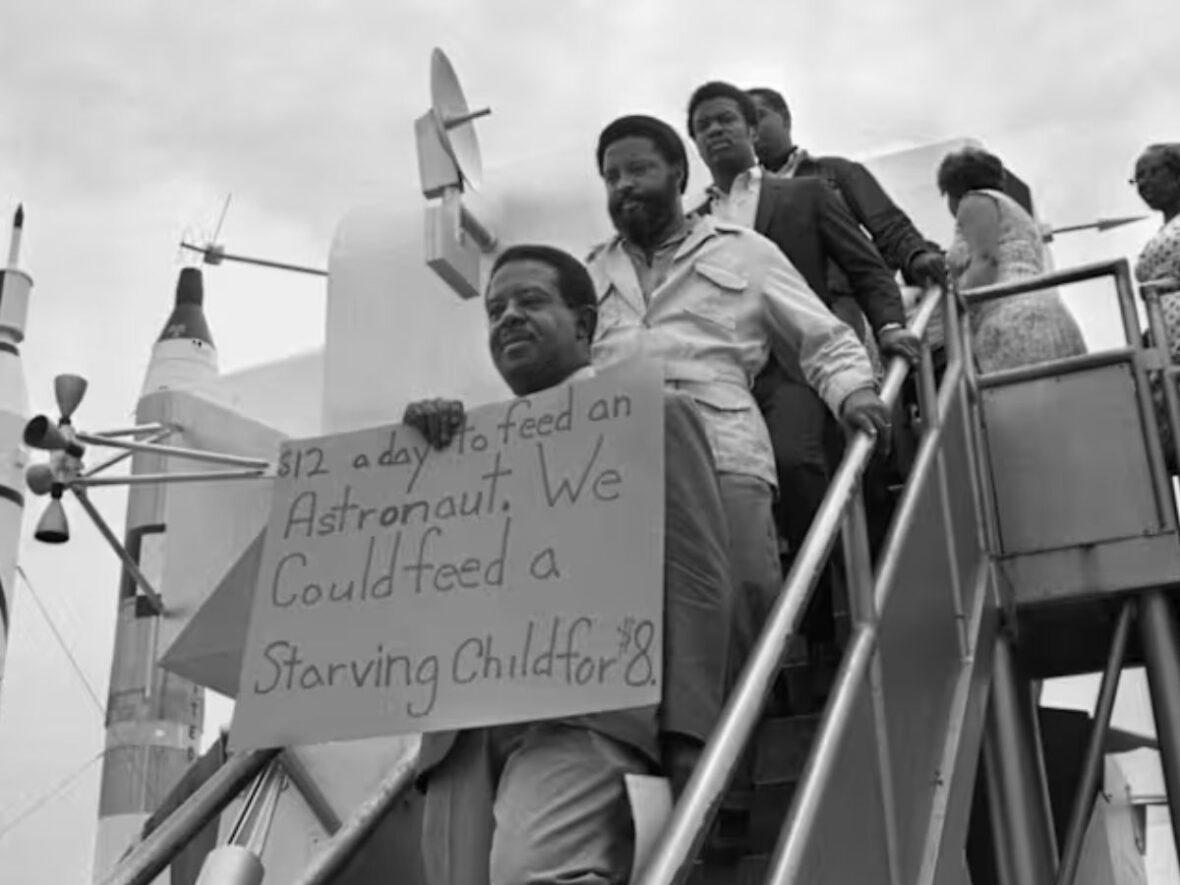
The moon landing was an important event in history; however, it wasn’t beloved by everyone. More than a million people gathered to watch the Apollo 11 lift off, and along with that, 500 protestors were included, led by civil rights leader Ralph Abernathy. Along with them, they brought two mules and a wooden wagon “to illustrate the contrast between the gleaming white Saturn V rocket and families who couldn’t afford food or a decent place to live,” according to History.
Neil Maher, author of 2017’s Apollo in the Age of Aquarius, talked about the event, saying, “There was a debate about what America was at the time. Was it a country to spend $20 billion to land two men on a dead rock in space or try to solve some of the problems closer to home on Earth?”
2. They Were Quarantined for 3 Weeks
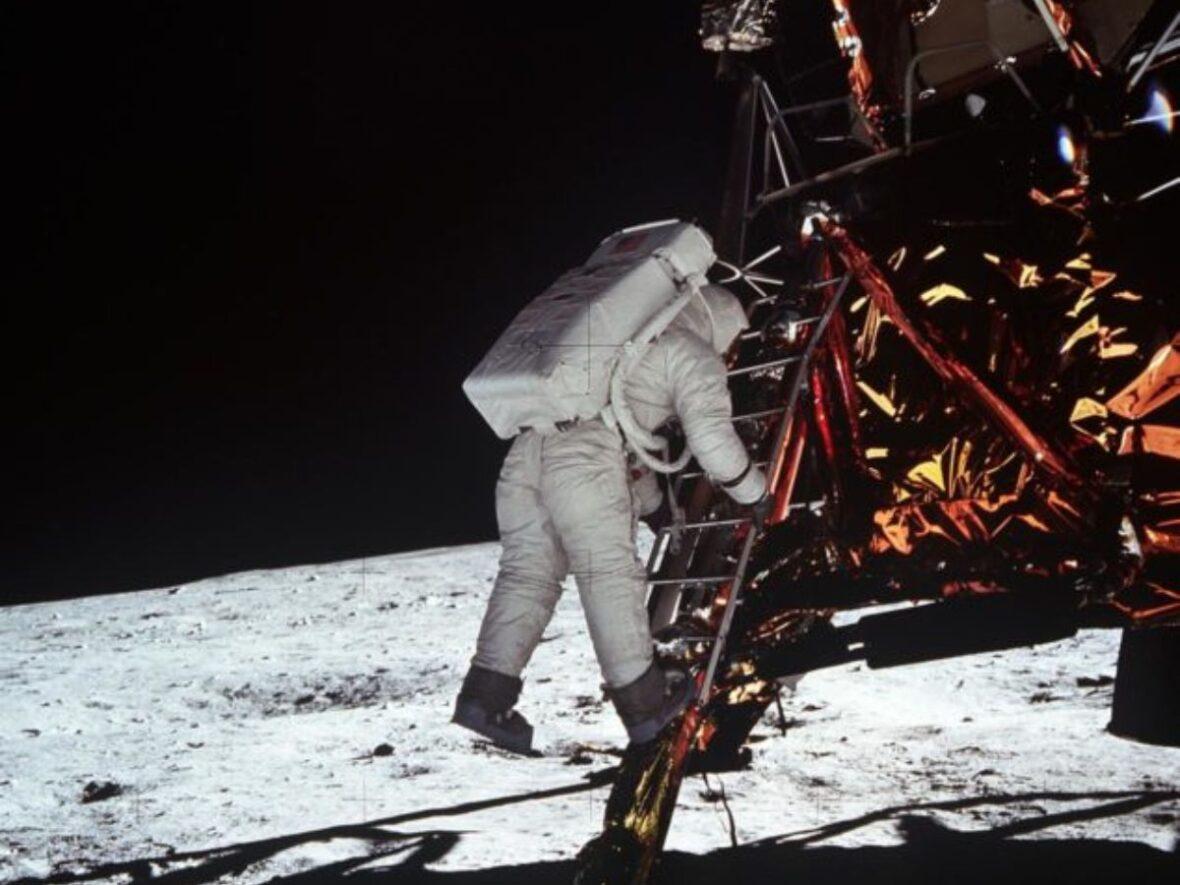
One of the biggest concerns when the astronauts came back was the risk of space germs. After coming back to earth, the crew was isolated for a few weeks, along with the lunar samples. This was to prevent any unknown lunar pathogens from spreading on Earth, although many scientists considered the likelihood of contamination to be extremely low. The Lunar Receiving Laboratory was $15.8 million to build and was big enough to accommodate not only the astronauts but also support staff.
1. Moon Dirt Apparently Smells
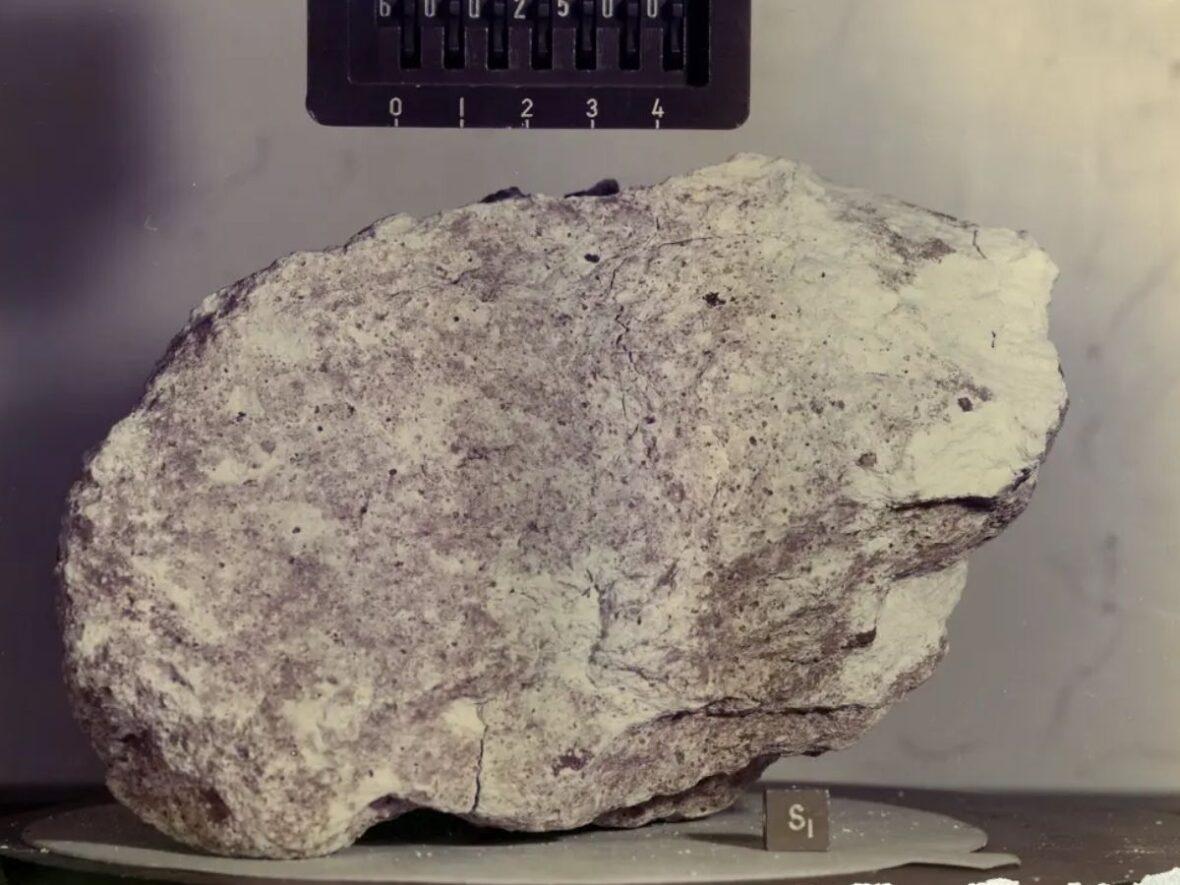
Another one of the many weird facts about the moon landing that you probably didn’t know is that moon dirt smells bad. Officially called lunar regolith, has a distinct, sharp odor that Apollo astronauts consistently describe as gunpowder, spent gunpowder, wet ashes, or fireplace cinders. The smell is tied to the moon’s unique chemistry and surface history.
And interestingly enough, Apollo 11 brought back almost 50 pounds of lunar material, including rock specimens, soil, and even two short tubes that penetrated below the surface. This helped reveal that the moon had once been molten, disproving a theory that it was always cold and undifferentiated.