
 Duane Beckett
Most people are aware that medieval punishment could be brutal. However, when it came to medieval trials to prove guilt or innocence, things got very bizarre.
Many trials leaned on “judgment of God,” meaning the accused had to survive pain, pressure, or ritual without showing guilt. Trials ranged from hot irons to reading a difficult text (seriously).
What follows are some of the most bizarre medieval trial methods we could find.
Trial by Hot Iron
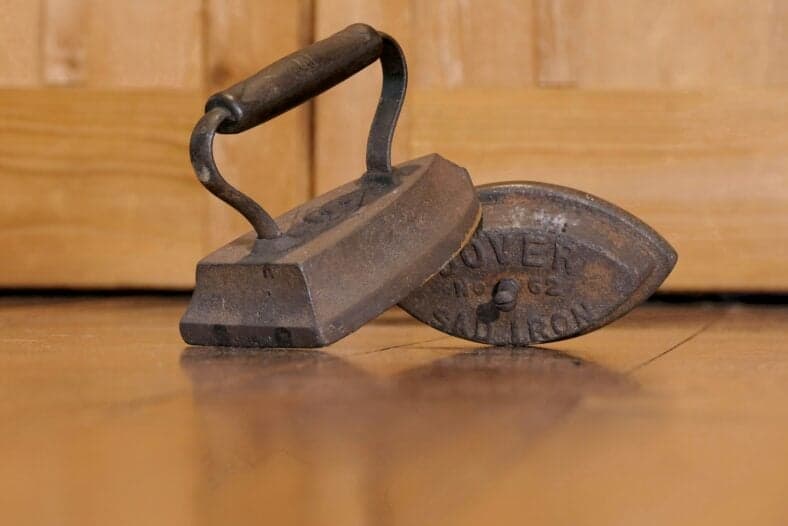
Trial by hot iron was one of the nastiest medieval guilt tests. In England and parts of Europe, an accused person could be ordered to carry a red-hot iron for several steps. Once complete, the burned hand was wrapped, sealed, and checked about three days later.
Harvard Law Today reported that if the wound looked like it was healing, the person was declared innocent. If it was festering, guilt followed. It’s an insane scenario, as the probability of wounds cleanly healing in that time was low. Yet, this was a legal procedure.
The practice was common in 12th and early 13th-century England before the Church pulled priests away from ordeals after 1215.
Clergy “Trial” by Reading Difficult Text

For clerics, guilt could be tested through sacred ritual instead of a burn or dunking. The idea was that a priest or religious figure who swore innocence should be able to perform holy words, oaths, or sacramental duties cleanly under pressure. A stumble, failure, or bad reaction could be read as divine exposure.
This is one of the stranger church-linked ordeal traditions, though it’s less widely documented than hot iron or bread-and-cheese tests (more on that below). Still, the logic fits the medieval world. If sacred words carried divine weight, then a guilty cleric might not get through them safely.
“Trial by Cake” (Corsned)
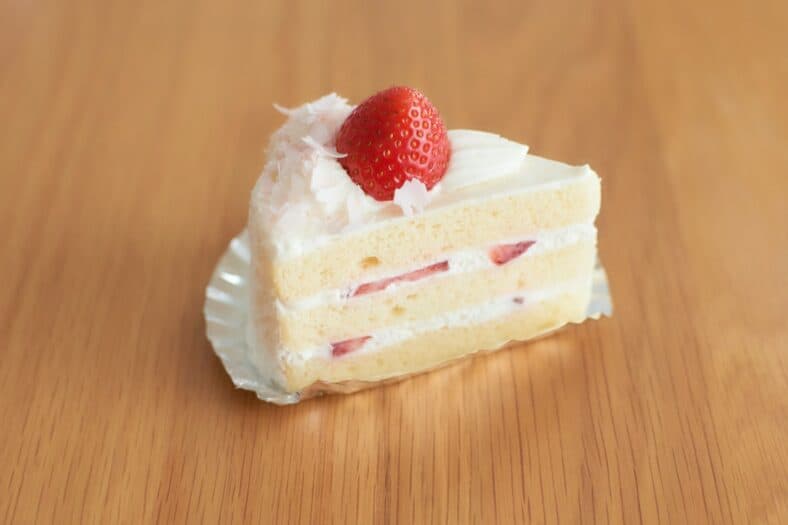
Corsned, also called trial by cake, used food as a supernatural lie detector. The accused had to eat dry cake while swearing innocence. Smoothly swallowing was a sign of innocence. However, choking, coughing, or failing to get it down could be treated as guilt.
Medievalists.net found that the ordeal, also called iudicium offae or corsned, was especially known from Carolingian sources and was used from roughly the 10th century to the early 13th century.
I’ll admit, this one feels almost too odd to be real. The point wasn’t to serve up someone’s just dessert, but that God could block a liar’s throat.
Ordeal of the Cross (Arm-Stretching Contest)
This one takes a test of strength and makes it legally binding. The ordeal of the cross required both sides of the dispute to stand opposite each other with their arms stretched out. The loser was whoever dropped their arms first. It was called the ordeal of the cross because standing with arms stretched out copied the shape of the crucifixion.
It was reported by Famous Trials that a monastery ownership dispute was settled this way back in 775 AD. Additionally, We Are The Mighty reported that Charlemagne promoted this practice before Louis the Pious banned it.
The idea was that God would give strength to the person telling the truth in the dispute. Imagine having to settle in housing court this way?
“Cheese Ordeal” Variants
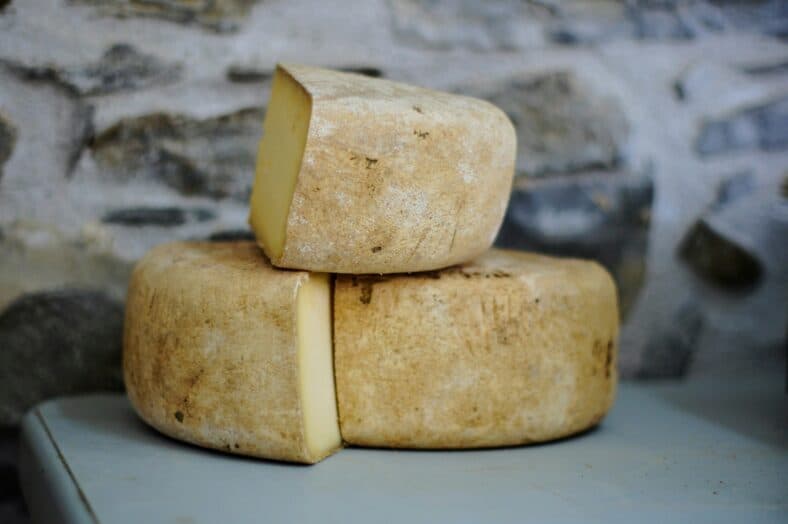
The cake-based ordeal was odd, but they topped it with cheese. That’s right: there was a medieval cheese ordeal, which had the same theory. If you can’t eat some dry cheese while swearing an oath, that person is guilty. Here’s the catch: any choking, spitting, garbling, or even if crumbs fell out, it was enough to look guilty in the eyes of this medical trial method.
This ordeal could also be done with bread, according to We Are The Mighty. The goal of these ordeals was to look for divine judgment. For instance, could the accused speak clearly? Could they swallow without trouble?
Considering what poor people ate in medieval times, the idea of cheese, crusty bread, and cake may have seemed like a banquet, but instead is on our list of bizarre medieval trial methods.