
 Duane Beckett
Throughout history, space has led even the greatest minds to come up with ideas that turned out to be inaccurate as technology and science advanced. However, the space myths on this list still get mentioned, despite being wrong. I should know, I got one on this list completely wrong myself in a conversation the other day (I’m too embarrassed to say which). Consider updating your space facts with this little refresher.
1. The Moon’s “Dark Side” Is Always Dark
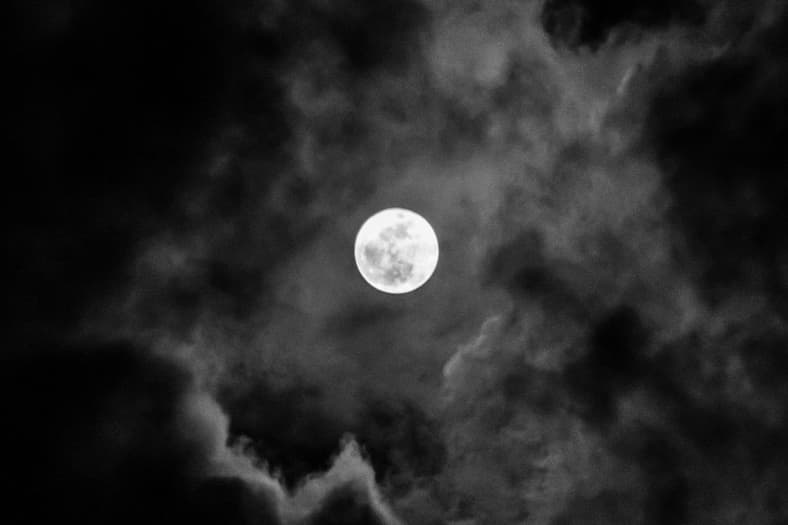
Pop culture really did a number on this myth. The belief was that one side of the Moon sat in permanent darkness, like some hidden Star Wars villain’s base. It became a common 20th-century phrase and still trips people up today.
According to the Smithsonian’s National Air and Space Museum, the “dark side” is really the far side, meaning the side we don’t see directly from Earth. To clarify, it gets sunlight. The Luna 3 gave humanity its first look at that far side in 1959. So, “dark” means lesser-seen and not unlit.
2. Summer Happens Because Earth Is Closer to the Sun
I first heard this myth as a kid in the 80s. The science sounded simple: Earth gets hot in summer because it’s closer to the Sun, then cold in winter because it’s farther away. NASA Space Place says many people believe that, but it’s incorrect.
Seasons happen because Earth’s axis is tilted. That tilt changes how directly sunlight hits each hemisphere and how long daylight lasts. Even better, NASA states Earth is closest to the Sun in January and farthest in July, which is backwards for Northern Hemisphere summer. Tilt does the work, not distance.
3. There’s No Gravity in Space
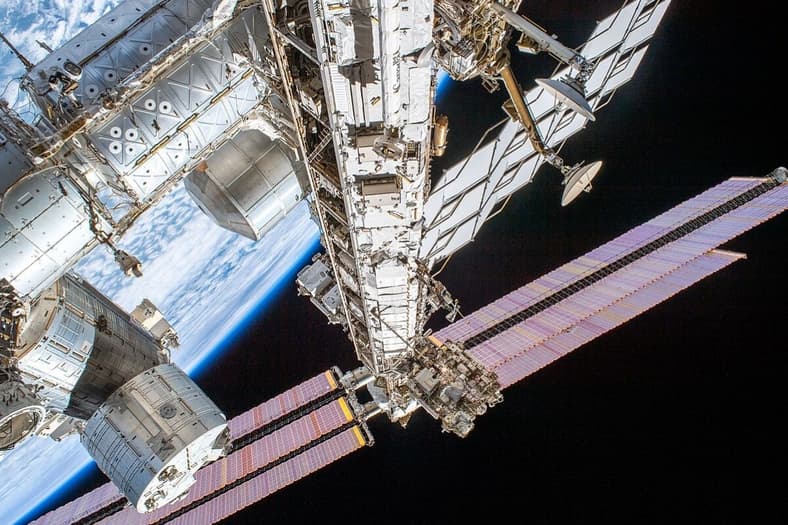
Floating astronauts made “zero gravity” sound literal. The weird belief was that space has no gravity and astronauts drift because Earth’s pull stops reaching them. That idea took off during the Space Age and still shows up in casual talk.
However, NASA states that about 90% of Earth’s gravity reaches the International Space Station. Astronauts float because they, the station, and everything inside are falling around Earth together. I’ll admit, that still sounds wild. They aren’t outside gravity, but they’re in continuous free fall, moving fast enough to keep missing the planet.
4. Tang, Velcro, and Teflon Were NASA Inventions
Tang, Velcro, and Teflon often get tossed into the NASA invention pile. The weird belief was that all three were created for astronauts and space missions. That became popular after Apollo, when space-age branding was everywhere.
According to NASA Spinoff, Tang was developed by General Foods in 1957, Teflon came from DuPont in 1938, and Velcro was invented by a Swiss engineer in the 1940s. NASA did help make people more aware of them.
Real NASA-linked inventions exist, though, including memory foam and emergency space blankets.
5. The Great Wall Is Easy to See From Space

Few space myths had better staying power than this one. People believed the Great Wall of China was the only human-made object visible from space, or even from the Moon. It became especially popular once astronauts were actually going up there in the 1960s.
NASA reported that the Wall isn’t visible from the Moon, and it’s difficult or impossible to see from Earth orbit without high-powered lenses. City lights, airports, and large urban areas are much easier to spot. The Wall is massive on Earth, but from orbit, it’s not easy to spot.