
 Duane Beckett
Not all old tech belongs in your junk drawer. Some gadgets from the 1970s and even earlier now have real collector appeal. From forgotten cameras to watches, these old tech gadgets have surprising value today.
Polaroid SX-70
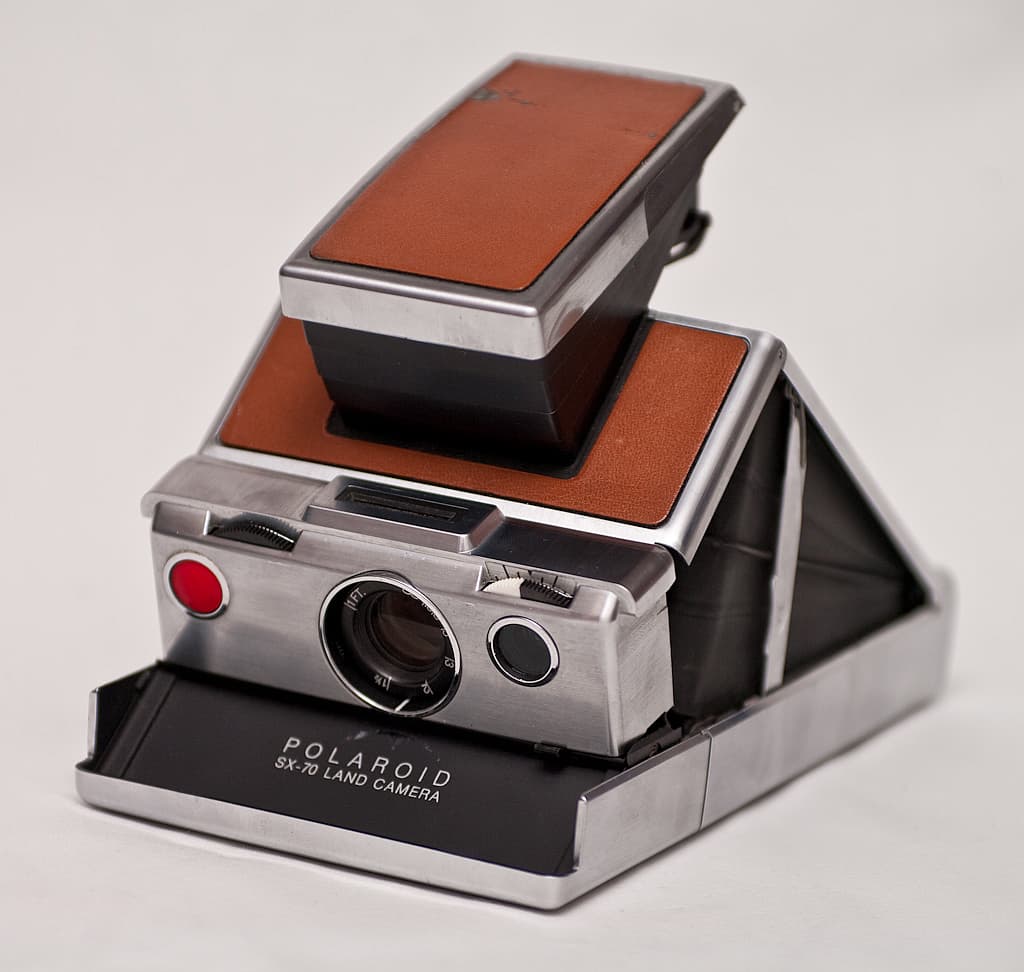
Polaroid’s folding SX-70 arrived in limited release in 1972, then became widely available in late 1973. It was a folding single-lens reflex instant camera that produced a daylight-developing photo with one press. TIME reported that the camera cost $180 at launch, which is more than $900 in modern purchasing power. Smithsonian magazine states that the SX-70 was introduced by Edwin Land and became a major moment in instant photography.
Collectors now chase clean, working SX-70s because they’re beautiful, useful, and just plain cool. Values often sit in the low hundreds, while restored examples, starter packages, and strong-condition models can move toward the $300 to $600 range.
Buyers look for working shutters, clean rollers, intact leather, good bellows, original boxes, flash accessories, and early Model 1 versions.
Sony Trinitron TV
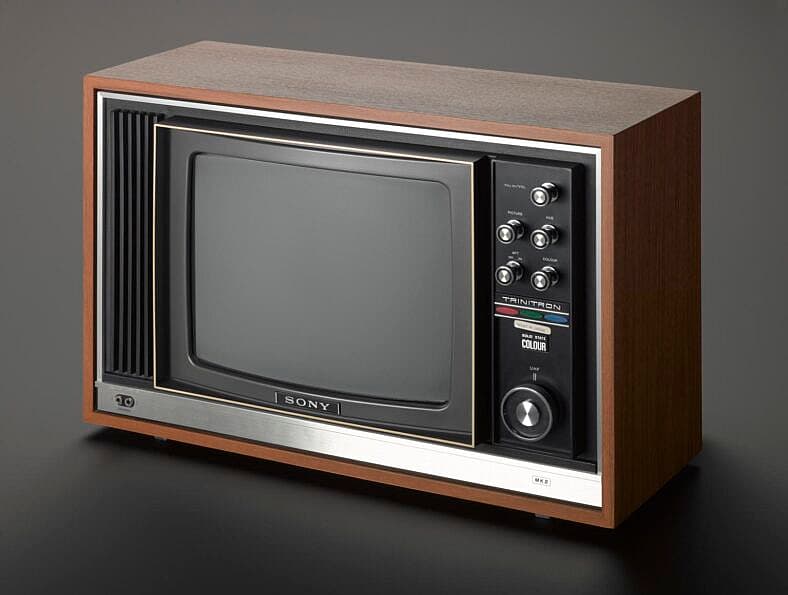
Sony’s Trinitron line launched in 1968, with the KV-1310 becoming the first model in the company’s Trinitron color TV family. According to Sony, that set offered about twice the brightness of conventional shadow-mask tube TVs, which helped make it a milestone product. It was premium tech for the time, with smaller sets costing a few hundred dollars and larger 1970s color TVs running much higher.
Today, working Trinitron CRTs have a second life with retro gamers, video collectors, and broadcast gear fans. A common consumer set may bring roughly $100 to $300 if it works well, while professional-grade Sony PVM and BVM monitors can go much higher.
Collectors want bright pictures, low hours, no screen burn-in, clean cabinets, and easy input options for old game systems.
Rotary dial phones
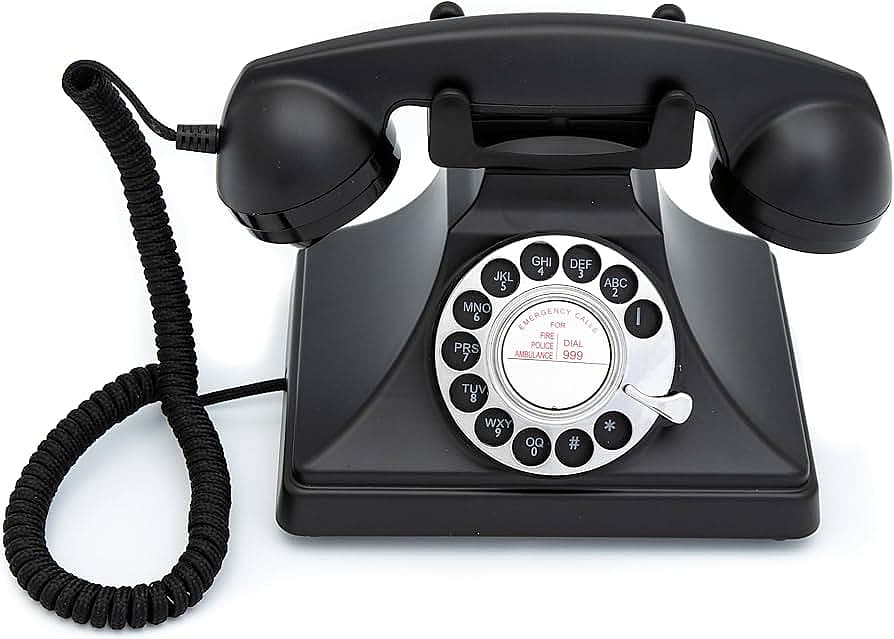
Wired reported that the Western Electric 500 debuted in 1949 and became the classic American desktop phone. Many Bell System phones were leased rather than bought outright, so original consumer pricing can be tricky. By 1983, The Washington Post reported that customers could buy leased home phones from $19.95 upward.
Working rotary phones can sell for $50 to $150, and rarer colors or early models can climb into the several-hundred-dollar range. Carter’s price guide shows rotary dial telephone auction results from $52 to $390.
Buyers look for original cords, smooth dial return, strong ringer sound, no cracked shell, clear dial plates, and honest Bell markings.
Tube radios
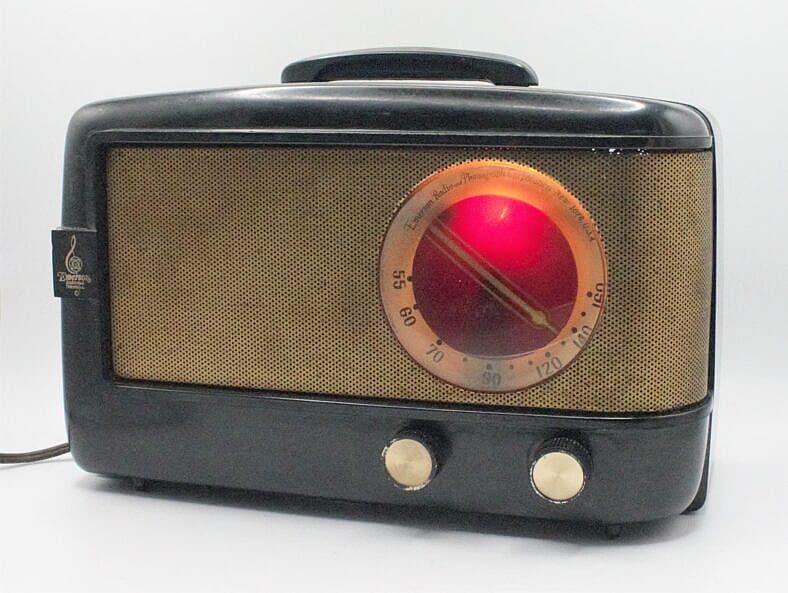
Radio World reported that old radios can include 1920s black boxes, 1930s Zenith consoles, and 1940s Bakelite tabletop sets. Tube radios and shortwave sets from brands like Zenith, Hallicrafters, RCA, and Philco were serious home gadgets before television took over. Basic sets often cost tens of dollars when new, while large consoles cost more.
Canadian Vintage Radio states that cosmetics, completeness, and originality are major value factors, especially for tube sets. Many common tabletop radios land around $75 to $300 today, while rarer Art Deco, Catalin, Zenith, or restored shortwave sets can go higher.
Collectors check the cabinet, knobs, dial glass, chassis rust, original tubes, untouched wiring, and whether it has been safely restored. Don’t just plug one in cold; that’s a very bad idea.
Casio Casiotron watch
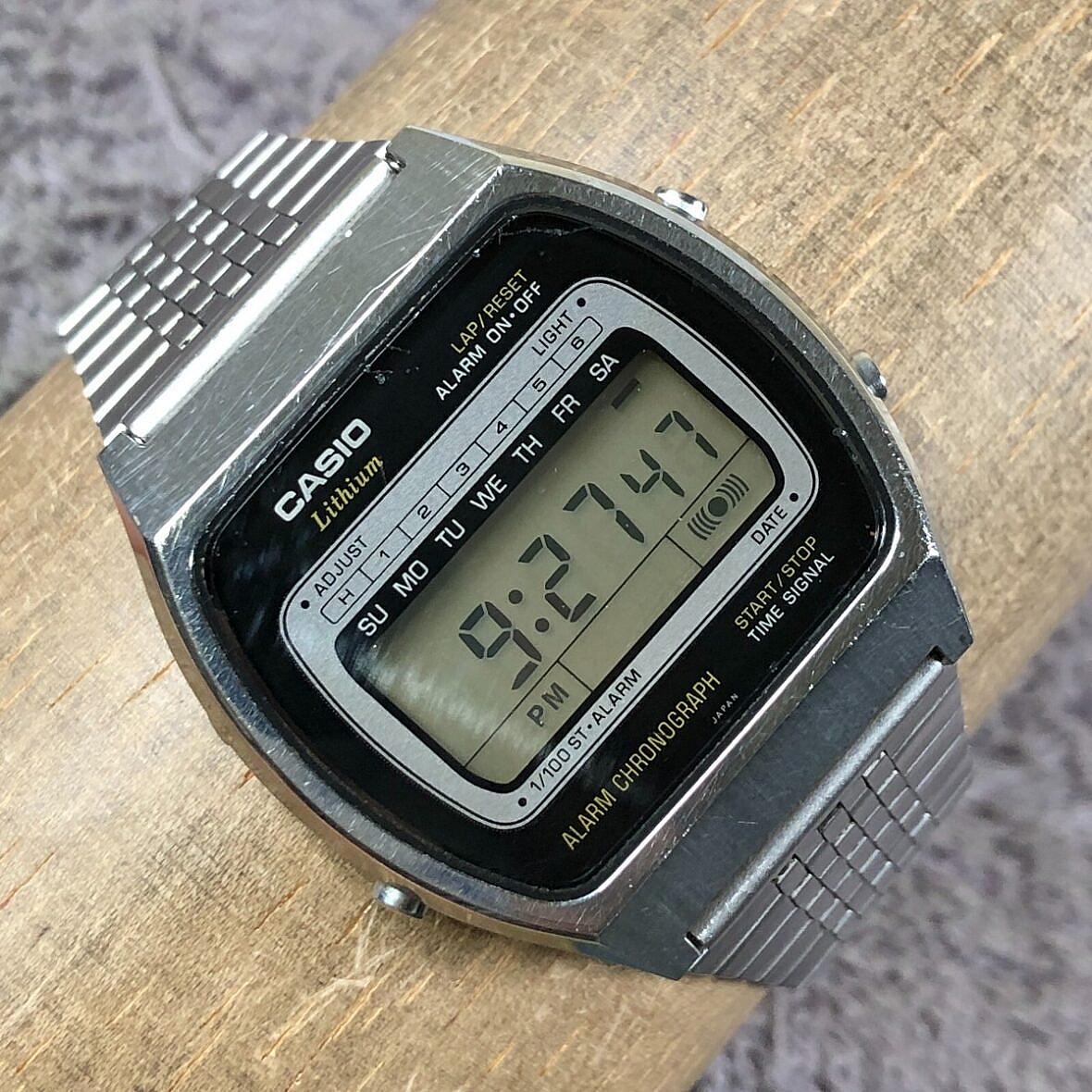
According to Casio, the Casiotron was Casio’s first wristwatch, released in 1974, and the world’s first digital watch with an automatic calendar function. Casio’s anniversary page adds that the QW02-10 line cost 58,000 yen in 1974, close to a full month’s starting salary for a Japanese university graduate at the time.
As a collector, I love this one because it looks like the future as imagined from a 1970s catalog. Many vintage Casios remain affordable, but early Casiotron models can bring a few hundred dollars, especially clean examples with original bracelets. Marketplace listings show vintage Casiotron pieces around the low-to-mid hundreds.
Collectors want working LCDs, clean pushers, original bands, sharp cases, boxes, papers, and early reference numbers.