
 Duane Beckett
Nineties homes were packed with stuff nobody thought would matter later. From fast-food branded cups to plastic containers and coffee-table books. These everyday items from the 90s were just part of daily life. Now, some of those same pieces, if they have the right look and condition, are collector gold.
1. Fast-food glasses
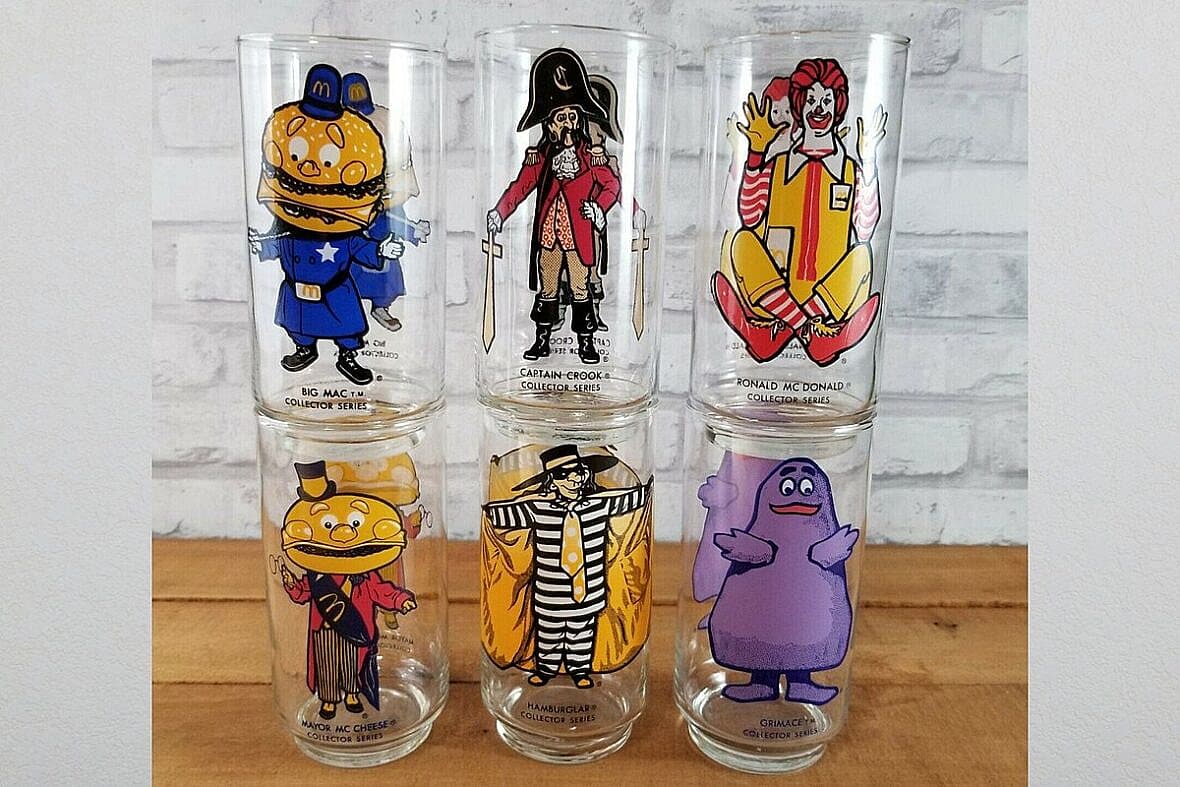
McDonald’s, Burger King, and other chains pushed branded glasses and mugs through the 1990s, often tied to Disney, Coca-Cola, Batman, or movie promos. Most of the time cost only a few dollars with a meal. I still remember a Coca-Cola glass my sister had, that I’d sneak from the cupboard at dinner.
Business Insider reported that ’90s McDonald’s collectibles can bring real resale interest, and eBay listings show McDonald’s Disney glass sets from 1996 and 2000 often around $20-$30, with unused or scarcer sets listed much higher.
Buyers want complete sets, clean graphics, no chips, no dishwasher haze, and original packaging when possible.
2. Tupperware
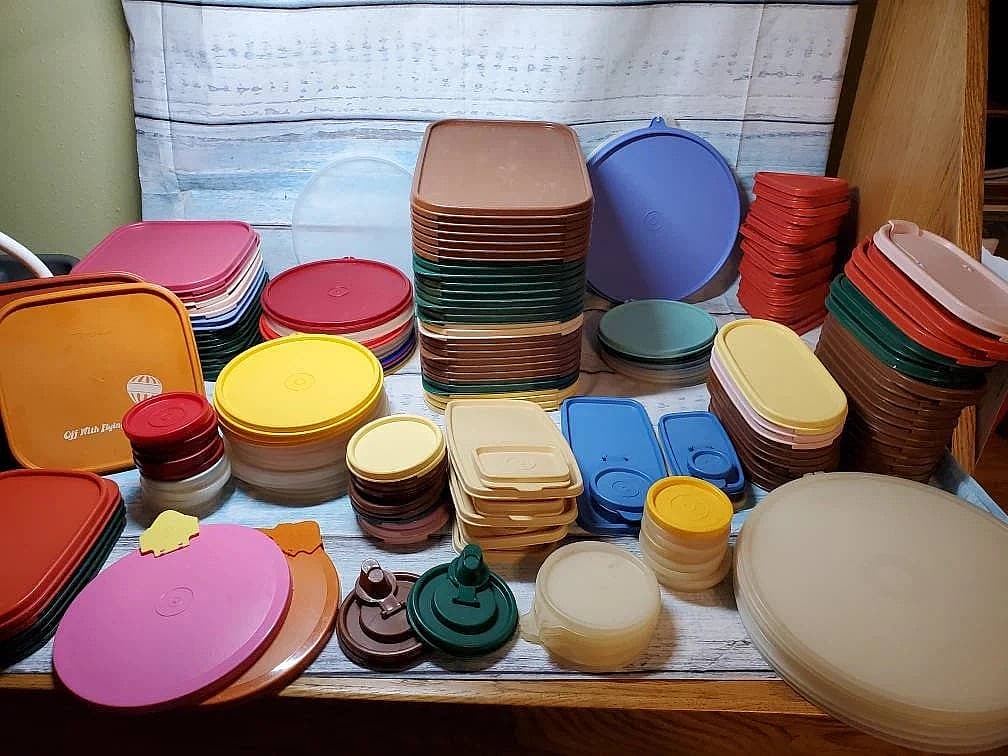
Despite Tupperware parties being an actual thing in the 90s, pantry containers were never really glamorous. Tupperware, Rubbermaid, and similar modular storage pieces usually run about $5-$20 each, depending on size. They stored cereal, pasta, leftovers, school snacks, or whatever else Mom needed sealed. Useful, but not exactly collectible.
BuzzFeed highlighted that matching Tupperware storage containers were a classic ’90s household sight, while Mearto says complete vintage Tupperware sets can sell for hundreds. Current Etsy listings also show 1990s Modular Mates sets priced around the $60-$100 range.
Collectors check for matching lids, embossed logos, clean plastic, rare colors, and no warping or tomato-sauce stains.
3. Corelle and Pyrex
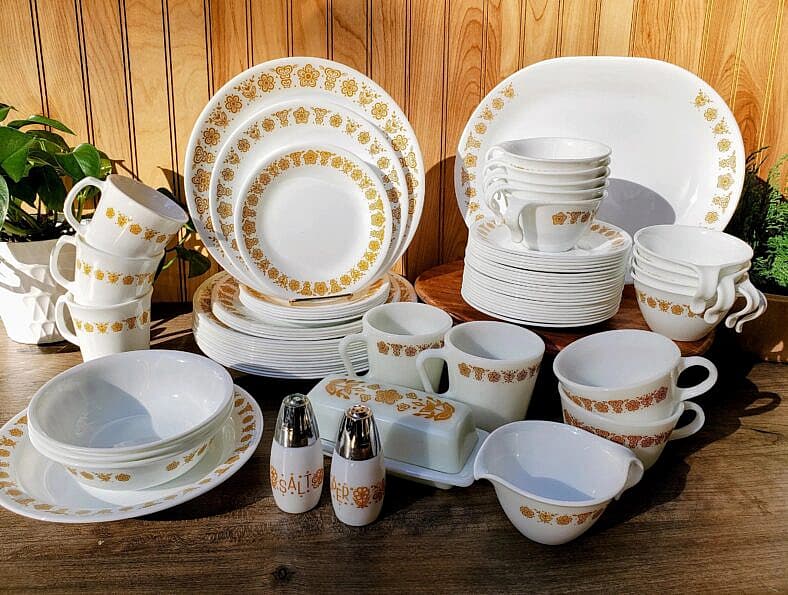
For many homes, weeknight dinners often included Corelle plates and Pyrex dishes coming out of the oven. These dishes were widely sold through department stores, discount stores, and catalogs, with many everyday sets in the $20-$60 range and individual bakeware often under $20.
Mearto reports that patterned Pyrex has become prized by collectors, with rarity, age, and pattern all affecting value. Country Living found that complete vintage Pyrex sets, bright colors, original lids, and all-caps “PYREX” markings have retained value incredibly well. Common Corelle may sit around $25-$100, but larger sets and favorite patterns can go higher. However, the plates and dishes cannot have chips; that’s a big rule for collectors.
4. 90s textiles
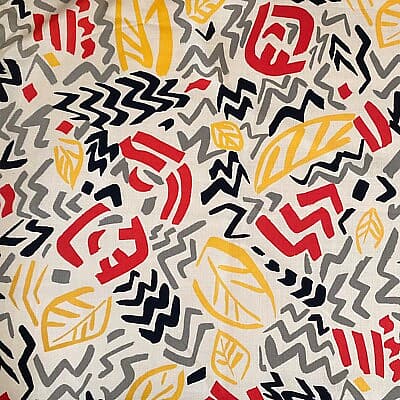
From patterned throws to cartoon beach towels, 90s textiles were bright, bold, and often branded. They were all over the place during that era, available at mall stores and big-box retailers for roughly $10-20. Most living rooms and bedrooms had these textiles thrown across couches and beds.
BuzzFeed reported that tapestry blankets and those very specific green-and-burgundy sheets were ’90s home staples, while Livabl notes the era’s celestial tapestry look. Etsy listings show vintage 1990s woven blankets and licensed Disney-style throws ranging from about $45 to well over $100.
Collectors want bright color, intact tags, no tears, no musty smell, and clear licensed character art.
5. Halogen torchieres
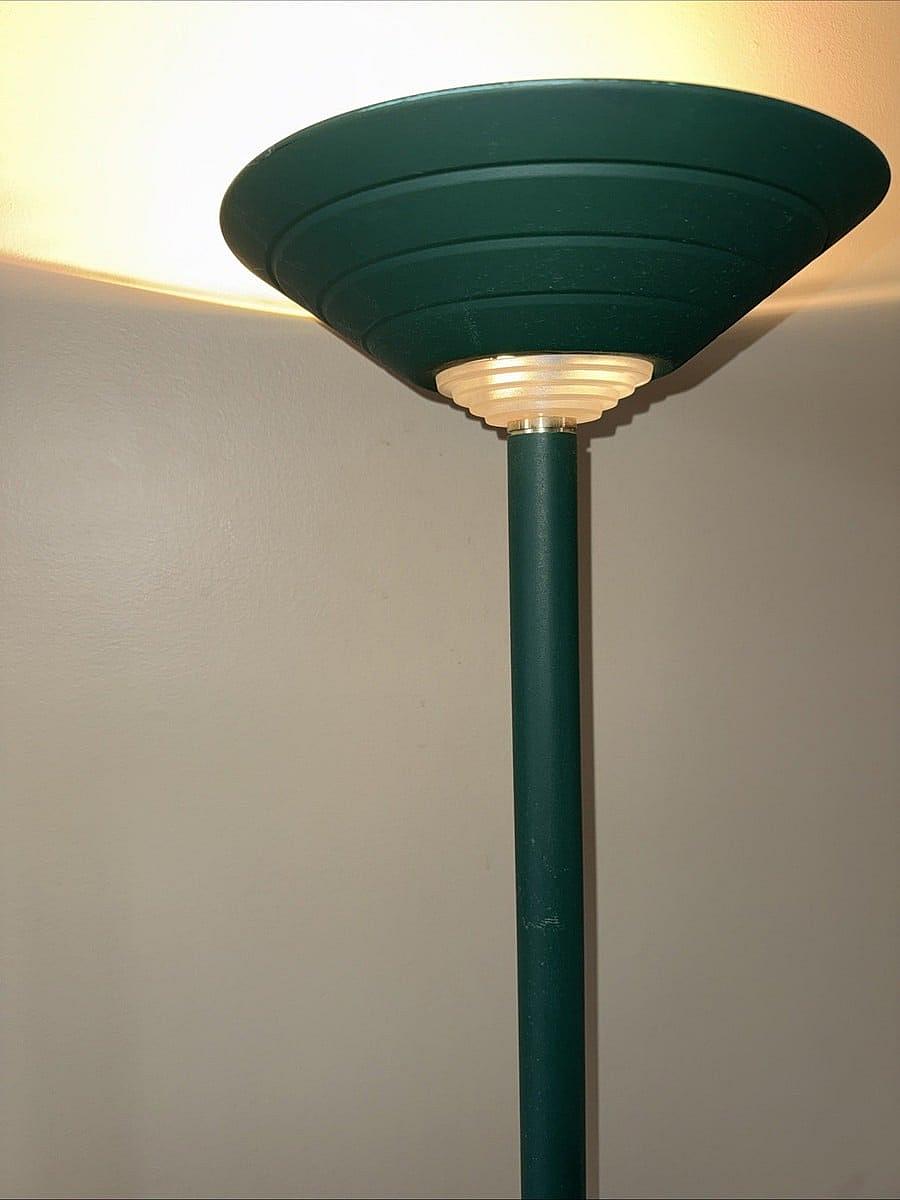
Tall halogen torchiere floor lamps were dorm-room and apartment royalty in the 1990s. Cheap ones often sold around $20-$60, lit an entire room, and looked slightly futuristic in that mall-furniture way.
CPSC reported in 1997 that roughly 40 million halogen torchiere lamps were part of a corrective safety action after bulbs were linked to fires and deaths. That history should be known before looking at buying up any 90s halogen torchieres. Many basic lamps have little value today, but tested vintage examples and postmodern designs can list around $150-$225, with designer-style pieces far higher.
Buyers want original shades, safe wiring, dimmers that work, clean finishes, and safety guards.
6. Coffee-table books
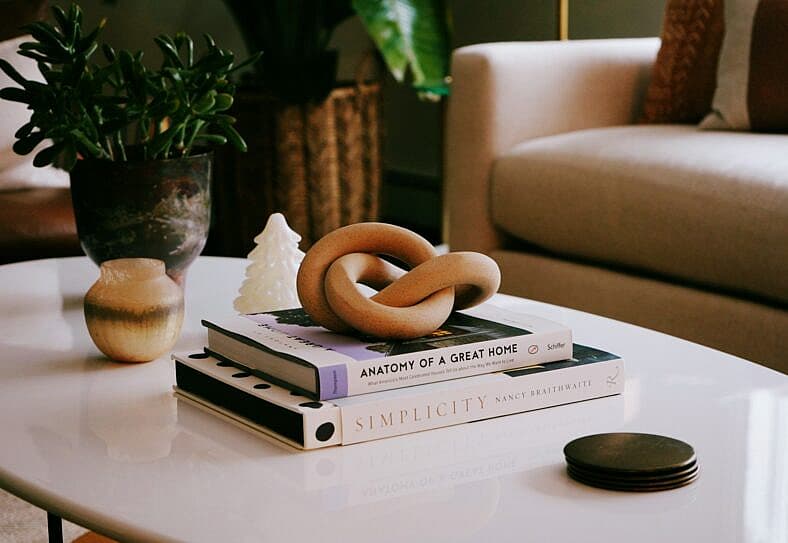
Coffee-table books were definitely everyday items from the 90s, especially big photo books like Anne Geddes’ Down in the Garden, lifestyle hardcovers, movie books, and illustrated reference titles. New copies often cost about $10-20. I remember those books often being on the living room coffee table, mostly targeting some lifestyle trend at the time.
Today, many copies are still cheap, often under $20, but signed editions, first printings, cult subjects, and pristine dust jackets can push values much higher, into the hundreds.
Collectors check copyright pages, jackets, clean pages, inscriptions, and edition points.