
 Duane Beckett
When collecting vinyl records, or looking for that authentic sound, you can’t beat vintage record players. Not only does it take you back to a bygone time, it can look amazing in a room, next to floor standing speakers and near an amp.
However, not only can they look and sound great, they can be collectors gold. Some 70s turntables are hitting four figures today, and some of the rarer ones are going for life-changing money.
The biggest prices are usually reserved for models with fully original parts, strong design pedigree, and real audiophile credibility. Check out our top six below:
Bang & Olufsen Beogram 4000 (1972), up to $2,000
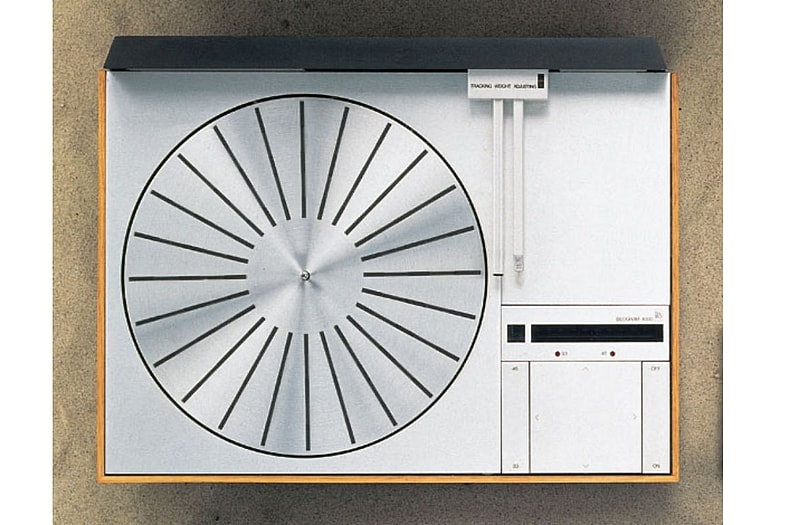
According to Bang & Olufsen, the Beogram 4000 stood out for its tangential tonearm, suspended chassis, and minimalist design language, which helped make it one of the most celebrated industrial designs of its era.
This is not just a turntable people buy to play records, it’s one collectors want to display. Wealth Gang reported that well-kept examples can bring strong money, and that mix of sleek Scandinavian styling and forward-thinking engineering is a big reason why.
Dual 1219 (c. 1971), up to $2,000
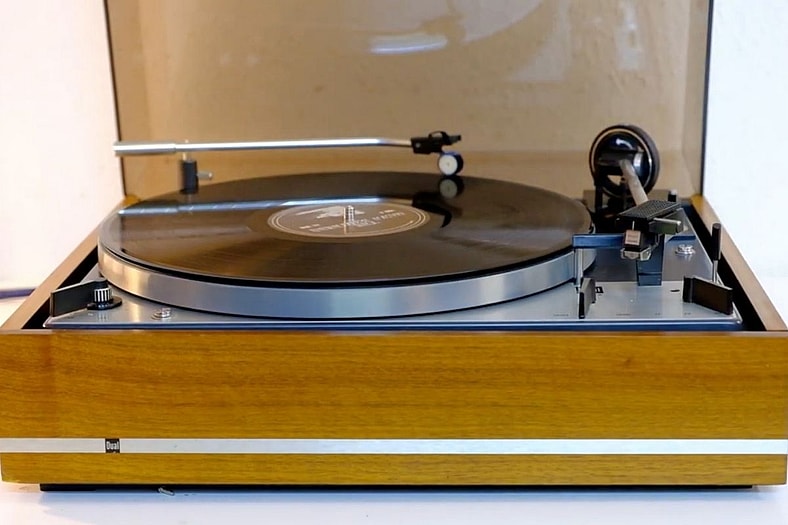
Then there’s the Dual 1219, a model that earns respect the old-fashioned way, by being useful, tough, and surprisingly flexible. It offers an idler-wheel drive system, multi-format capability, and adjustable settings helped it stand out in its day, and those same traits still appeal to buyers who want a machine that feels mechanically satisfying.
It may not have the glamor of some higher-end decks, but collectors love gear that actually delivers, and the 1219 does.
Thorens TD-125 (1968 to 1975), up to $2,500
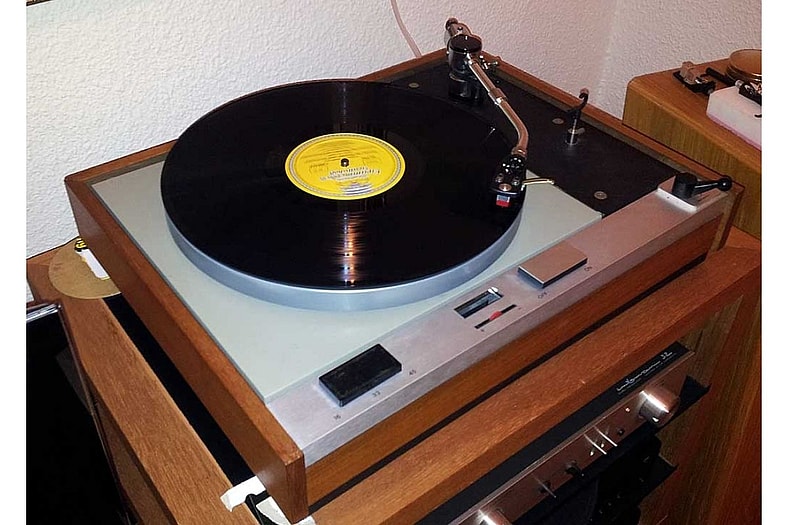
I was never able to find a TD-125, but have a lower end model, the TD-150 MKII, fully restored.
According to Retro Tech Lab, the TD-125 sits in the collector tier, with values around $800 to $2,500, and labels it a professional belt-drive reference.
Thorens built a reputation on Swiss precision, and the TD-125 carries that weight with collectors who care about performance first. As someone who has chased Thorens in the past, I know how much vintage buyers still love Thorens models. The simple reason, the engineering holds up, and because the brand still signals serious analog credibility. Clean examples of this model do not sit around for long.
Marantz Model 6300 (1976 to 1978), up to $3,000
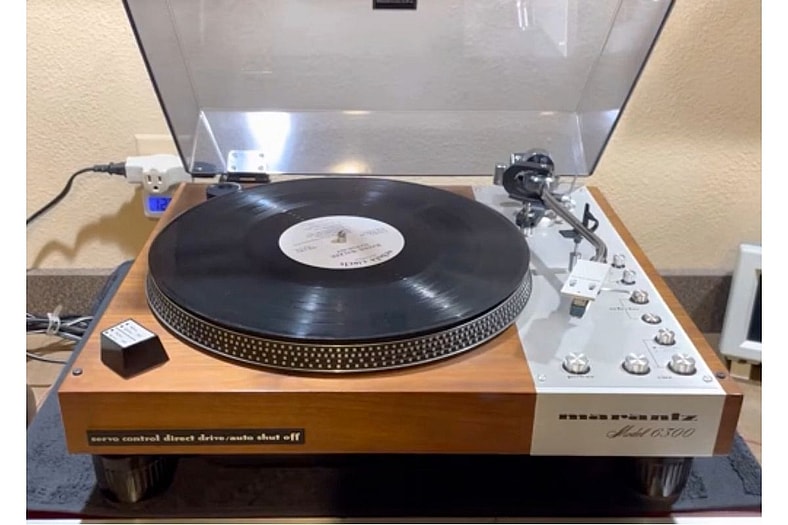
For many people who covet expensive turntables, Marantz is a name that’s often towards the top of shopping lists. And a top-end Marantz 6300 from between 76 and 78 is right up there when it comes to price.
The 6300 is desirable because of its style. It has a wood veneer that looks good in most homes. Under the hood, the 6300 has a high-performance reputation, topped with the well-known premium image.
There’s no doubt that the high value is driven by the brand’s cachet, almost fashion-like status, and the audio quality this turntable can output.
EMT 930st (1979), up to $19,000
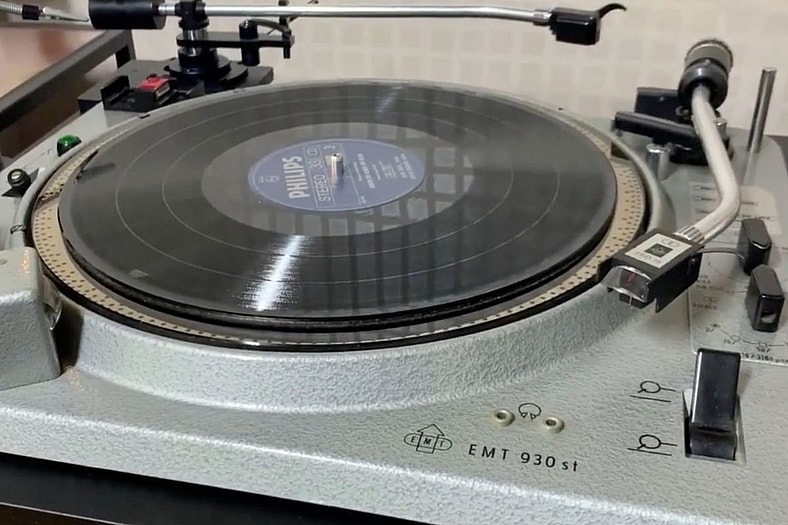
The EMT 930st was built for broadcast studios, with a massive platter and a reputation for reliability and precision, and that alone pushes it into a different class. Hence the shocking price.
This is the kind of machine collectors describe with near-religious awe. Retro Tech Lab notes that EMT professional models benefit from broadcast heritage, while its market analysis says EMT 927 and 930 models have shown strong appreciation.
That combination, studio pedigree, rarity, and brute-force engineering, is exactly why prices can go through the roof.
Linn Sondek LP12 (1973), up to $21,000
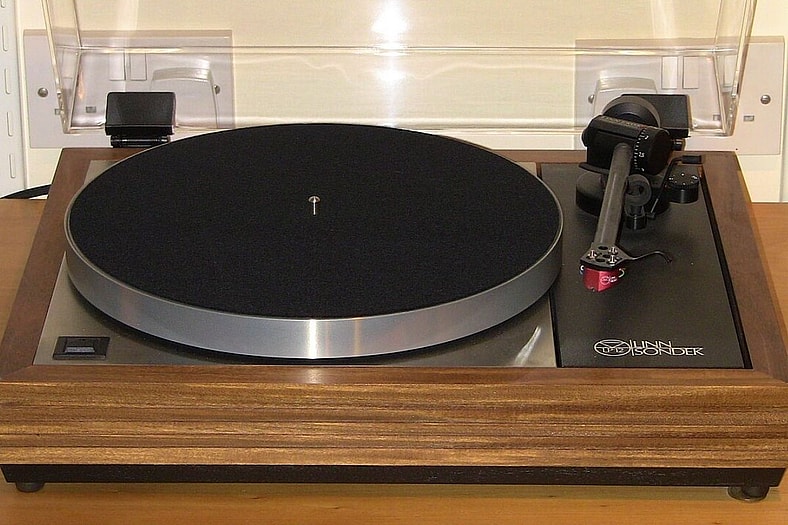
I’ve always had a soft spot for the LP12, partly because it feels like one of those rare pieces of gear that never really left the conversation.
What Hi-Fi? found that the deck was introduced in the early 1970s, became hugely influential, and stayed relevant because Linn kept refining it over time.
Hi-Fi Hall of Fame adds that it has remained in continuous production since 1972, which says everything about its staying power. Collectors point to its design and upgradeability, and that’s the secret sauce here. People who want this aren’t just buying a turntable, they’re buying a hall of fame legend.
One last thing, these top-end estimates can vary based on a number of factors. Before buying, or thinking your turntable from the 70s is worth a fortune, know that rarity, mechanical condition, originality, and completeness all play a part in value. The reality is that two examples of the same model can drive very different prices.