
 Duane Beckett
The Gilded Age had money, manners, and a lot of rules that now seem absolutely insane. In the late 1800s America, especially in wealthy circles in New York, Newport, Boston, and Philadelphia, etiquette could control how people dressed, visited, flirted, danced, and even gave wedding gifts. Some customs were elegant, others were just odd, like these weird Gilded Age etiquette rules.
Talking With a Fan Instead of Words
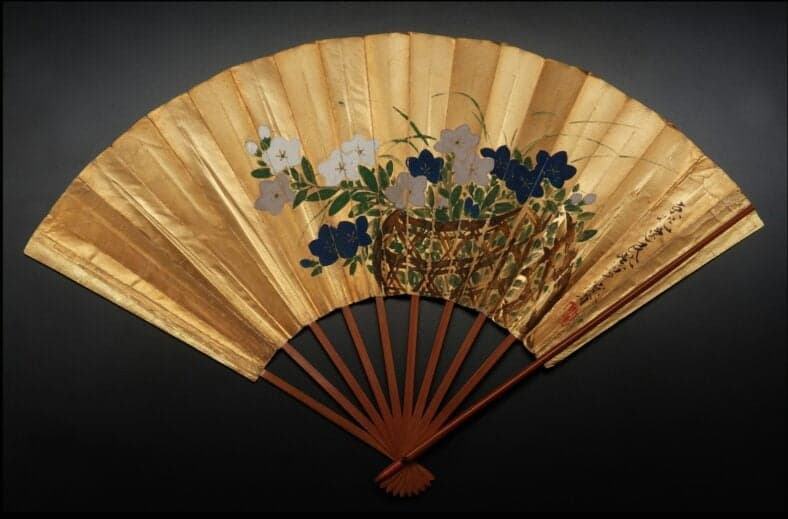
In upper-class Gilded Age ballrooms, a folding fan wasn’t just an accessory. It would act like a messaging device. Young women were expected to use fan movements to signal interest, refusal, excitement, or availability without saying it out loud.
H.H. History states that this kind of etiquette was tied to formal balls, where dance cards and courtship rules shaped how men and women interacted. It was followed in elite American circles, especially in places like New York and Newport.
It’s weird, as a person’s whole romantic evening depended on whether someone correctly read a flutter.
Gloves Were Basically Mandatory for “Proper” Hands
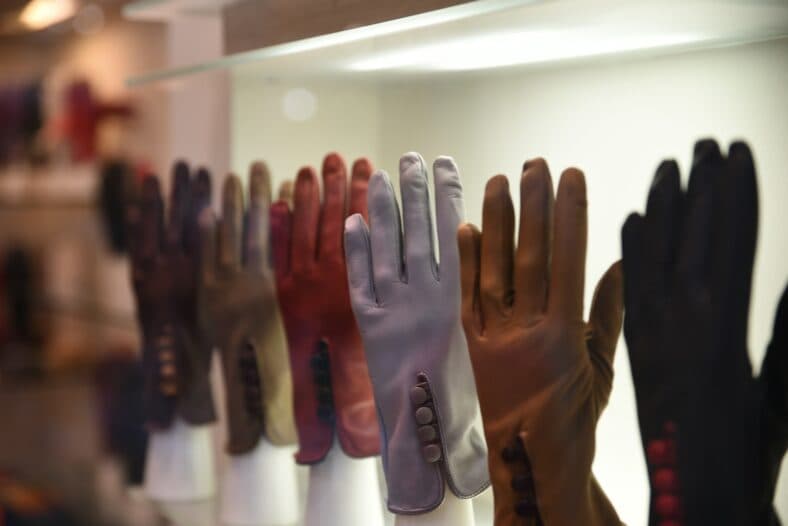
Another weird rule was the use of gloves. Simply put, bare hands would show someone as having been raised poorly in the Gilded Age. Men and women wore gloves for calls, visits, formal events, and public appearances because uncovered hands were seen as too casual, too rough, or just not respectable.
The Scroller reported that glove rules were part of the larger etiquette culture of the 1800s, especially among upper- and middle-class Americans in growing cities.
This one is very weird, as hot days and gloves don’t mix. Yet, one missed day, and suddenly you weren’t just underdressed, you were uncivilized.
Calling Cards Were Treated Almost Like Social Passports

Calling cards carried real social weight in Gilded Age America. Visitors left these small printed cards during social calls, often handing them to a servant or butler, who would take them inside on a tray.
According to The Scroller, failing to leave one could come across as rude or disrespectful. This rule mattered most in middle- and upper-class homes in cities like New York, Boston, and Philadelphia.
The weird part is how much status got packed into a tiny rectangle. Everything from the paper quality to type style and presentation all sends a message. Basically, your cardstock had a reputation. It makes the business card scene in American Psycho almost seem normal.
Practical Wedding Gifts Were Considered Rude

Amazingly, a useful wedding gift could be insulting in the Gilded Age. The Frick Pittsburgh reports that wealthy couples were often given luxury tableware and specialty serving items, not practical goods that implied they needed help setting up a home. Think of asparagus tongs, grape scissors, oyster forks, lobster picks, fruit plates, and crystal goblets.
This custom showed up among wealthy and aspiring-elite families in industrial American cities, where fancy dining items became status markers. I get the collector appeal of strange old silverware. Still, it’s bizarre that helping a couple with something useful could look less polite than buying a tool for one vegetable. It fits perfectly though on our list of weird Gilded Age etiquette rules.
You Were Expected to Change Clothes Multiple Times a Day Just to Eat
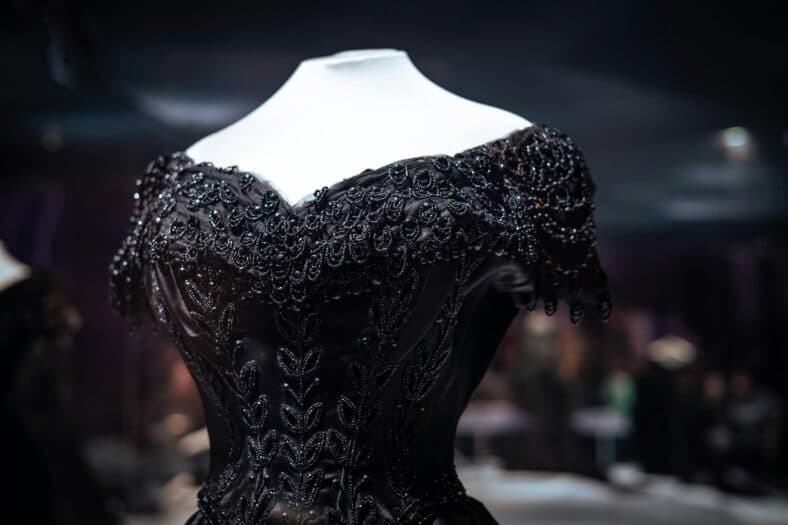
When it came to clothing, almost every activity required its own outfit. Women could change clothes four or five times a day, with a different look for morning, visits, afternoon, dinner, and evening events.
The National Gallery of Art states that dinner dress had its own rules, including fabric, color, sleeves, and neckline. This was part of upper-class life in places like New York and Newport, even when dinner was just at home with family. For instance, eating soup in the “wrong” dress could signal poor manners.