
 Duane Beckett

The Great Depression began after the stock market crash of October 1929 and lasted through most of the 1930s. It changed how Americans ate, worked, saved money, and escaped reality. Some of these surprising facts about the Great Depression still feel strange today, even with modern comparisons like the 2008 financial crisis, rising living costs, and changing family dynamics.
Al Capone Ran a Soup Kitchen

Al Capone sponsored a Chicago soup kitchen during the early Depression years. History.com reported that the mob boss’s kitchen opened in November 1930 and served three hot meals a day to thousands of unemployed people.
It was partly charity, partly image repair, especially after Capone’s violent reputation had made him one of America’s most infamous criminals.
The Social Security Administration states that soup kitchens became one of the only meal sources for some unemployed Americans during this period, and Capone’s operation became one of the most famous examples.
Nearly 11,000 Banks Failed
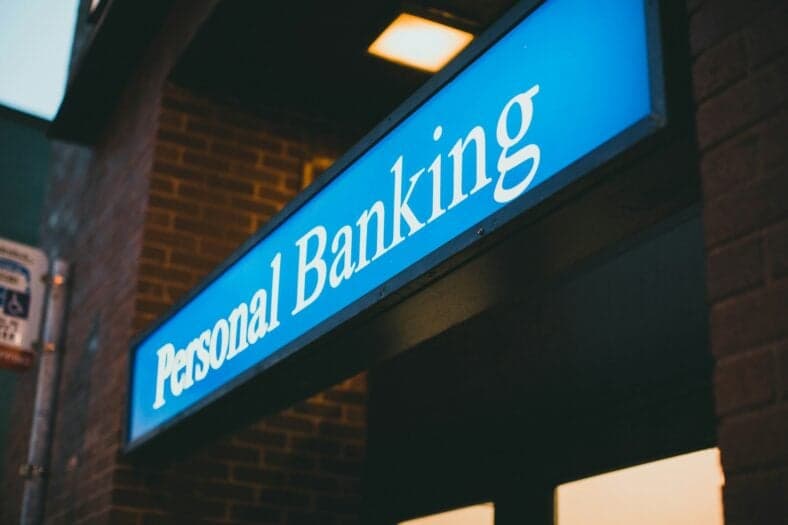
We all know that banks failed during the Great Depression, but did you know that nearly 11,000 U.S. banks failed by 1933? It’s an eye-opening number, and as banks failed, they took people’s savings with them. It also broke confidence in banking across the country.
Information from the Federal Reserve Bank of Minneapolis shows that 11,000 of the nation’s 25,000 banks had failed. As they failed, people panicked, rushed to withdraw cash, and created bank runs that made weak banks collapse even faster.
Britannica states that the first major banking panic began in the fall of 1930, followed by more waves in 1931, 1932, and early 1933. There was no FDIC safety net at the time, which means that lost savings genuinely meant they were gone.
60–80 Million Americans Went to the Movies Every Week

Despite the complete lack of money among families, movie theaters became one of America’s favorite escape routes during the Depression.
Digital History found that even at the worst points, 60 to 80 million Americans went to the movies every week. That’s a massive number for a country with roughly 125 million people.
The Library of Congress states that comedies, musicals, gangster films, and radio all helped people get through hard times because entertainment was still needed, especially when it was cheap. A dime for a few hours away from bad news? It’s a powerful escape.
Monopoly Became a Sensation Because People Could Get Rich in Their Imagination
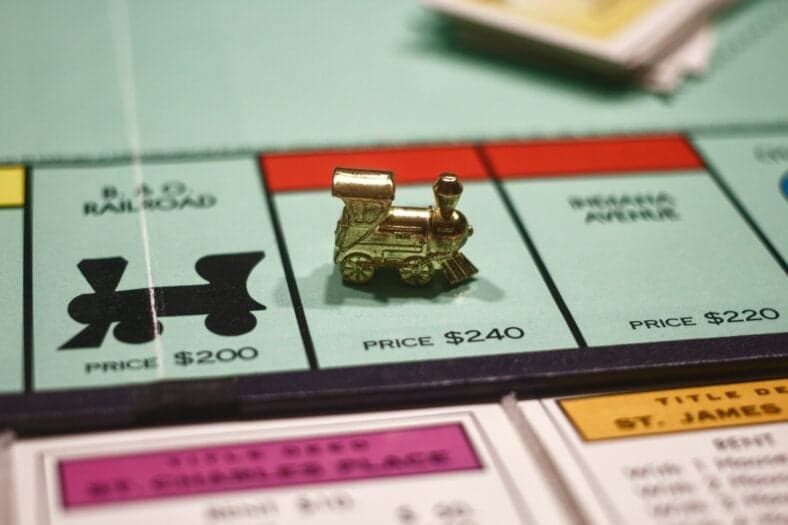
Monopoly took off in 1935, right when many Americans had little money, no job security, and no realistic shot at buying property.
According to the National Museum of American History, Parker Brothers had sold 250,000 copies by Christmas 1935, then 1.8 million copies a year later. The Strong National Museum of Play adds that the game worked because it let people enjoy buying property, building fortunes, and crushing rivals while real life was doing the opposite.
As a toy collector, I love that timing and historical reference. Monopoly wasn’t just a board game; it was escapism during Depression-era America.
1.5 Million Men Abandoned Their Families

The Depression broke American families apart. According to Digital History, divorce rates fell because many couples couldn’t afford separate homes or legal fees, but desertion soared.
By 1940, 1.5 million married women were living apart from their husbands. Some men left after losing work and feeling they could no longer provide. Others rode the rails looking for jobs and never came back.
This is one of the saddest facts on our list of surprising facts about the Great Depression because it shows the emotional cost, not just the financial one. The numbers were huge, but every one of them was a family changed forever.