
 Amelia Andriacco

Certain languages seem very common, even to those who don’t speak them. English, Spanish, and French are popular languages to learn in school. Even Latin, though it is a dead language, is known for inspiring other well-known languages. However, there are over 7,000 languages in existence. Here are 9 languages that you’ve never heard of.
9. Taushiro
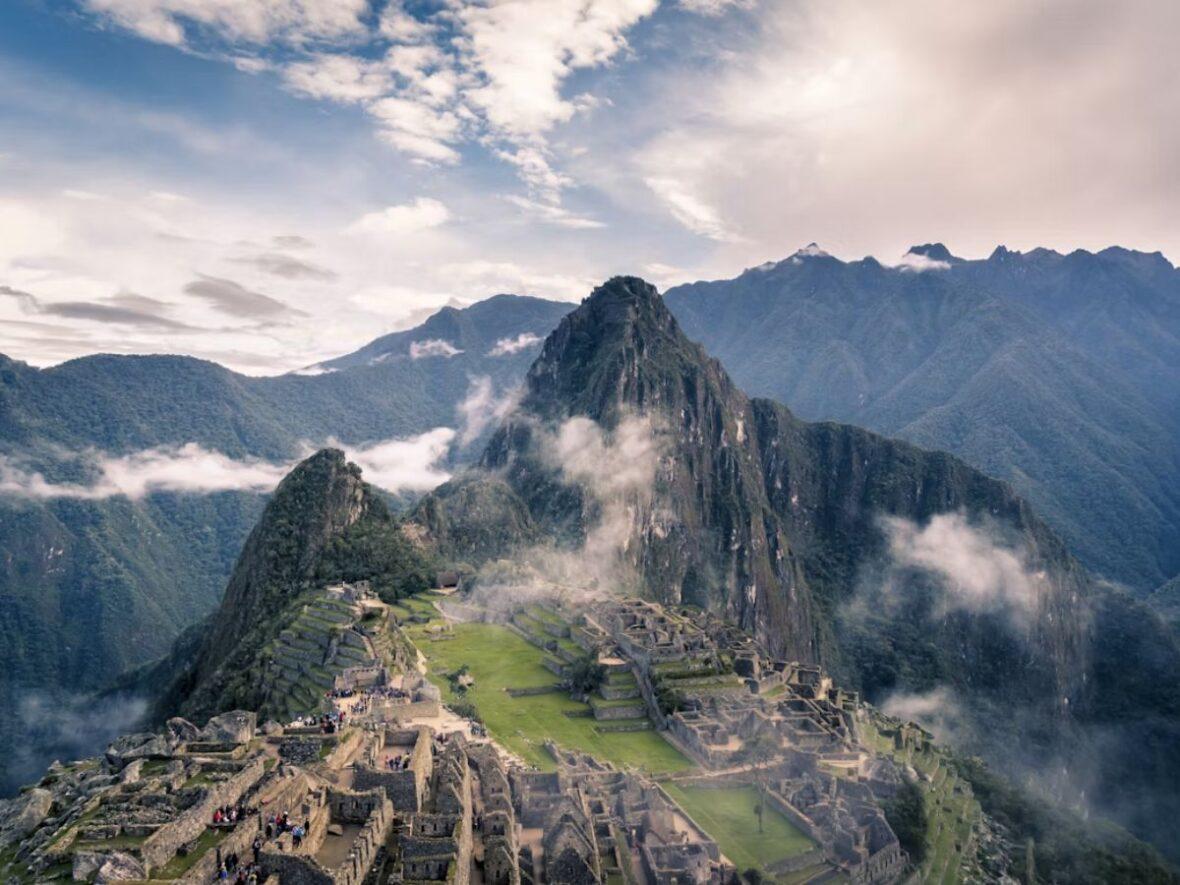
Taushiro is one of the most endangered languages you’ve never heard of. This language is traditionally spoken in Peru, along the western tributaries of the middle Tigre River in the Loreto region.
The Atontu’tua and Einontu’tua were the two groups that the remaining 18 people who spoke the language in 1971 divided themselves into. Since then, everyone who spoke the language, apart from one person, has passed away.
Amadeo Garc´ıa is the last living person to speak the language of Taushiro.
8. Njerep
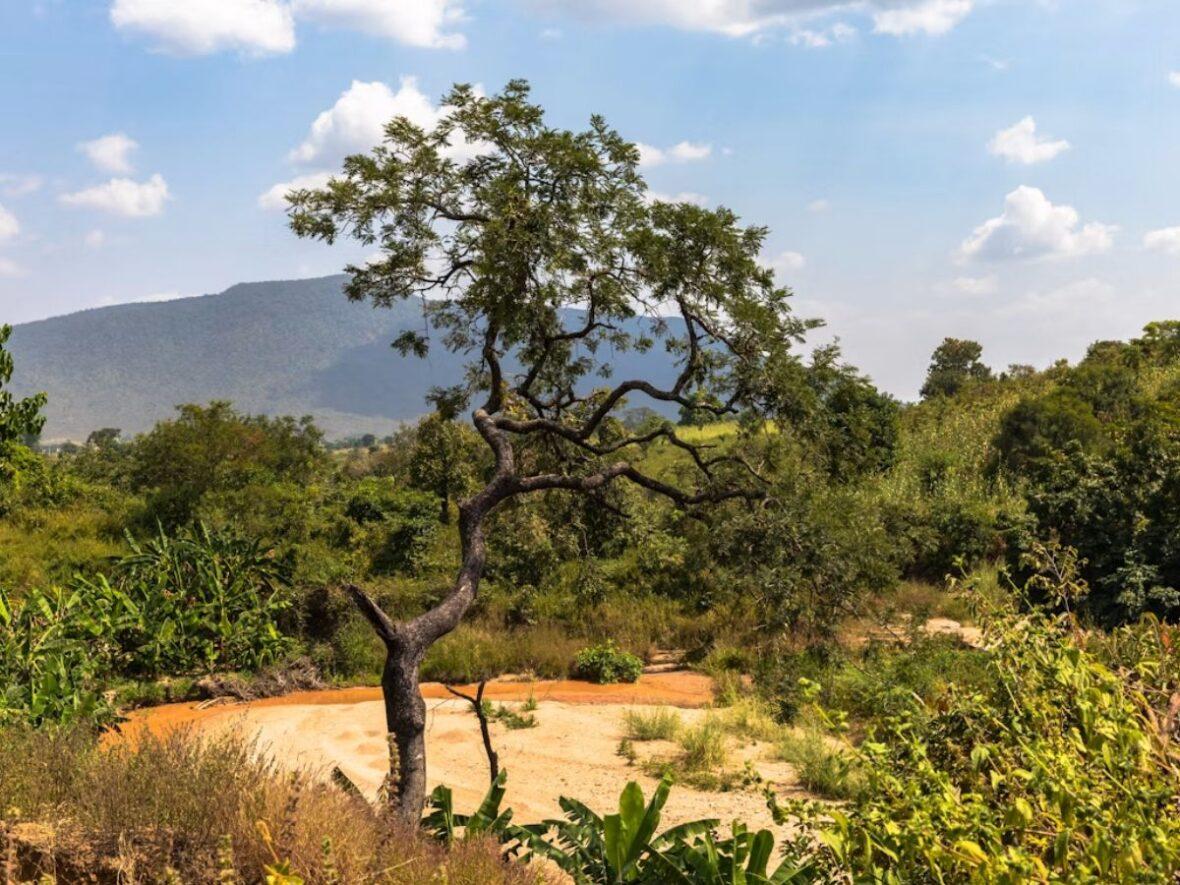
This language is also nearing extinction, as only a handful of people can still speak it. Many people who can still speak it, however, are not as fluent as they once were.
Njerep was traditionally spoken by a small group of people near the border of Nigeria, in the Somié village in Cameroon. Even during its peak, the language was considered a minority within its community.
Over time, people began to favor more widely spoken languages, leaving Njerep largely forgotten.
7. Liki

This language is spoken on the islands of the Papua region of Indonesia. It is one of 713 Indonesian languages and is largely endangered. It is reported that only 11 people still speak this language. Liki belongs to the Austronesian family of languages.
6. Ainu

The indigenous Ainu people lived in the northern islands of Japan. They have their own unique culture and language, but it has largely been erased due to the Japanese government.
Colonization policies forced the Ainu people to largely let go of their own language and culture in order to adapt to a unified Japanese culture. Today, people still do not accept their Ainu ethnicity. In fact, many of these people are unaware of their ethnic background.
It was only in 2019 that the Japanese government made steps to revive and recognize the Ainu culture.
5. Kusunda
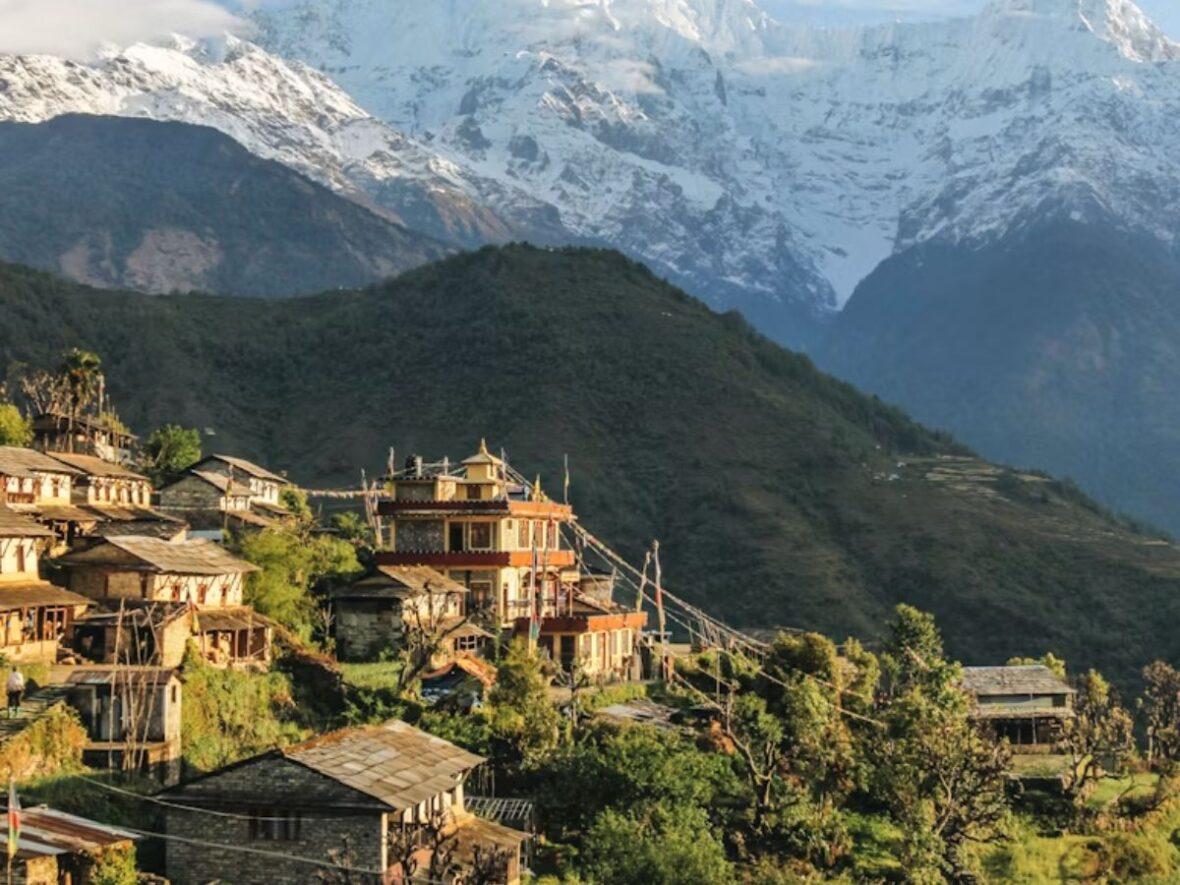
The Kusunda language and people are native to Nepal. This language is known as a language isolate, meaning it does not belong to any language family: it is completely independent.
Reportedly, as of 2021, there are about 253 people who are ethnically Kusunda. A much smaller number actually speaks the language, however, leaving only a few elderly people.
The Kusanda lived in forests in Nepal. They relied heavily on the forest resources, as they were hunter-gatherers. Their connection to nature seeped into their traditions and their language.
4. Mwerlap

This oceanic language is named after the native name of Merelava Island, Mwerlap. Merelava is one of the Banks Islands in Vanuatu, and is the location of where most Mwerlap speakers reside today.
Reportedly, about 1,100 people still speak the language.
The language is not endangered. It is classified as stable.
3. Nume

This language is spoken on Gaua Island, located in Vanuatu. In addition to Nume, it may also be referred to as Gog and Tarasag. The remaining 700 speakers are primarily adults located on the northeast coast of the island.
The indigenous language is classified as endangered. It belongs to the Austronesian language family.
2. Ubykh

The Ubykh people lived along the coast of the black sea. They had forests, gardens, and mountains that provided them with the resources they needed to survive.
The language itself was extremely unique. It consisted of eighty-four consonant phonemes and only two vowel phonemes. This complex language had distinct words for things like older brother, younger brother, sister’s son, and more. There were even dozens of carefully selected words for different kinds of horses.
The language contained so much of the Ubykh culture that was lost when it died. Tevfik Esenç was the last living person to speak the language, and he passed away on October 7, 1992.
While researchers can study notes and recordings of the language, the aspects of culture and tradition that were brought to life by the lived language are gone.
1. N|uu

The San people, known as the first hunter-gatherers in southern Africa, spoke the N|uu language. The language belongs to the Khoisan family of languages.
The word N|uu means “language” or “speech,” demonstrating how important language was to this culture. This language was largely passed down orally, which is why efforts are now being made to record and preserve it.
It is critically endangered, with only a small handful of speakers left.