
 Duane Beckett
Ancient Rome had plenty of normal food, including bread, olives, beans, wine, fish, and fruit. Then there were the dishes that feel almost unreal today. Some were commonly eaten, while others were luxury foods for the elite.
All five horrid Ancient Roman foods below were known in their culture and would be a nightmare under modern U.S. food rules, conservation laws, or basic customer expectations.
Garum (Rotten Fish Gut Sauce)
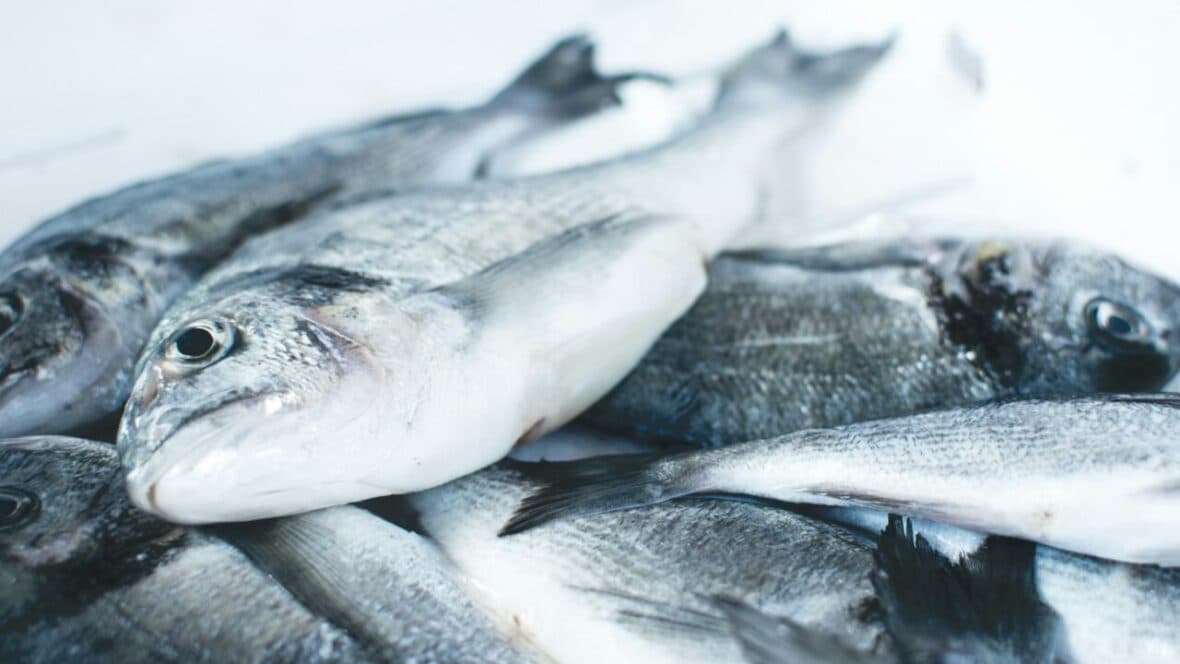
Garum was ancient Rome’s favorite flavor bomb. It was a fermented fish sauce made from small fish, fish guts, salt, and time. Food & Wine reported that garum was “immensely popular” throughout the Roman Empire, and one Rutgers professor compared its everyday role to ketchup in modern homes. Ancient cooks used it on meat, fish, vegetables, and plenty more. It showed up across all walks of life, not just at fancy dinners.
By today’s standards, the traditional method is rough. Food & Wine states it was historically made in open vats under the Mediterranean sun, where bacteria broke down fish guts into liquid seasoning. That old setup would not slide into a modern U.S. kitchen without serious controls.
The USDA says seafood processors must manage hazards like decomposition, parasites, natural toxins, and microbiological contamination. Rotten-fish nostalgia only goes so far.
Stuffed Dormice

Stuffed dormice were real Roman fare, and not just a weird internet myth. Apicius includes a recipe for dormouse stuffed with pork forcemeat, pieces of dormouse meat, pepper, nuts, laser, and broth. The same source states that the dormouse was a “special favorite” of the ancients and mentions the glirarium, a place where dormice were raised for the table.
I can handle odd food, but a fattened rodent served whole is where oddness turns horrid. This was more of a luxury or specialty food than a common working-class meal.
In the U.S. today, serving wild or pet-like rodents would raise major sourcing, inspection, and zoonotic disease concerns. It also clashes with modern animal-welfare expectations. Even before the law gets involved, most diners would be out.
Flamingo Tongues

Flamingo was part of elite Roman food culture. Apicius includes recipes for preparing flamingo, including boiling or roasting the bird with pepper, lovage, celery seed, mint, dates, honey, wine, vinegar, and other seasonings. This wasn’t a bowl of soup for the average person. It was the kind of rare bird dish wealthy Romans used to show status.
Fish & Wildlife Service materials list flamingos among birds protected under the Migratory Bird Treaty Act list, and Cornell’s version of the federal rule states that MBTA regulations cover taking, possession, transportation, sale, purchase, barter, export, and import of protected migratory birds.
Serving flamingo today would run straight into conservation law. A tiny tongue from a protected bird? That’s not a menu item; that’s a legal problem.
Sow’s Womb (Pig Uterus)

Sow’s womb, or sow’s matrix, appeared in Roman cooking as a prepared offal dish. LacusCurtius’ Apicius translation gives a recipe that mixes sow’s matrix or fresh pork with pepper, cumin, leek, rue, broth, pine nuts, oil, and dill.
This was nose-to-tail eating, but with a part most modern diners do not expect to see next to the specials.
One important point: this is not automatically illegal just because it is offal. The issue is the ancient version. Modern U.S. meat parts must come from inspected animals. Federal rules require careful post-mortem inspection of livestock carcasses and parts at official establishments, and condemned parts must remain under program control.
A Roman-style spayed pig womb dish, handled without those controls, would definitely be off the menu. However, it definitely fits on our horrid Ancient Roman foods list.
Jellyfish and Sea Nettles “Hidden” in Custards
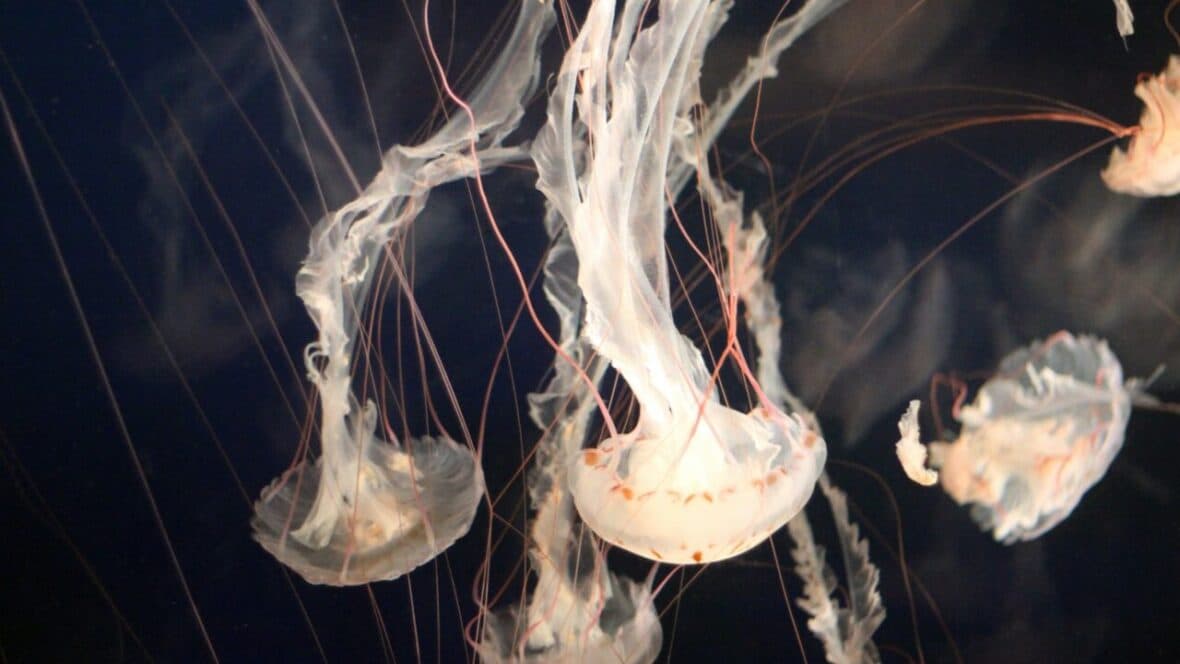
Roman cooks also played with surprise ingredients. Apicius includes a dish with fried fish, sea nettles, stewed oysters, fresh cheese, nuts, pepper, lovage, celery seed, and silphium. That is already a lot.
Another old Roman trick was making diners unsure of exactly what they were eating, which feels very “villain at a banquet” to me.
This would be a disclosure mess today. According to the FDA, major allergens include eggs, fish, crustacean shellfish, milk, tree nuts, peanuts, wheat, soybeans, and sesame. The FDA also says allergen controls are meant to prevent undeclared allergens and cross-contact.
So an egg-based dish with hidden fish, oysters, or sea-nettle-style marine ingredients would be a bad idea fast. Fun in a Roman cookbook. Not fun for a diner with allergies.