
 Duane Beckett
American life in the 1800s and early 1900s ran on a very different set of rules. Some things were sold as normal, some were protected by custom, and some were just plain brutal once you strip away the old-time language.
1. Children on the factory floor
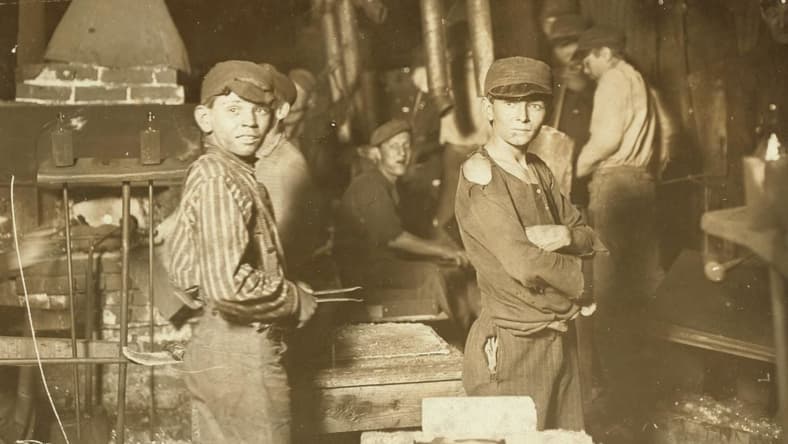
After the Civil War, young children routinely worked legally in American industry. The Bureau of Labor Statistics found children, sometimes much younger than ten, labored in factories, stores, street trades, and home industries, while the Library of Congress adds that many early child labor laws were weak or poorly enforced. Put that next to modern law and the contrast is sharp. What was once treated as a family necessity or normal situation would now trigger labor violations almost immediately. And it should.
2. Settling arguments with pistols
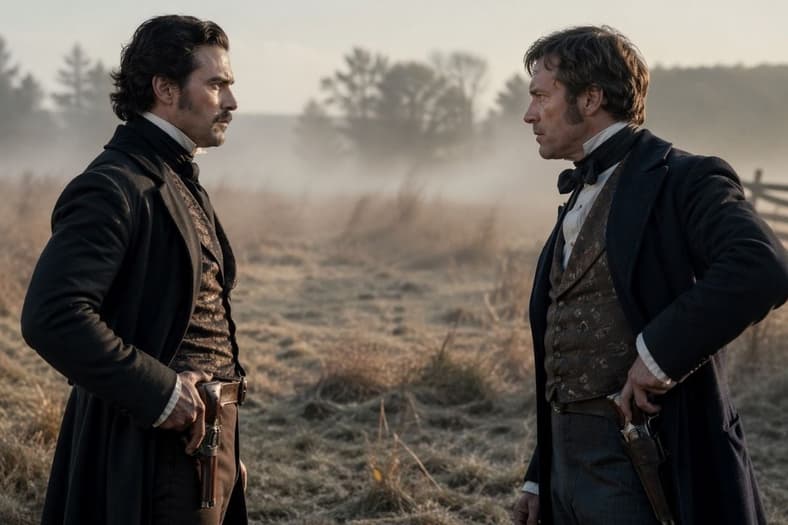
I always think of Hamilton and Burr first, because pop culture never lets that story go, but dueling reached far beyond one famous clash. PBS reported that bans often had little effect, which shows how accepted the practice could be among men obsessed with honor. History.House.gov states that Congress outlawed dueling in Washington in 1839, and the National Park Service points out Burr and Hamilton fought where penalties were lighter. Today, that is not honor, it’s a criminal case.
3. Pharmacy shelves held heroin and cannabis
According to PBS, heroin was still part of the American drug landscape in the early 1900s, and the DEA Museum states Bayer marketed it as a cough remedy. The National Library of Medicine also highlights that cannabis appeared in 19th-century patent medicines sold through pharmacies. These things sound largely unreal now, but it was ordinary consumer access then. A person could buy dangerous drugs in forms that looked neat, respectable, and even family-friendly. Old medicine cabinets from history no longer seem as innocent as they may first appear.
4. Hunting buffalo from trains
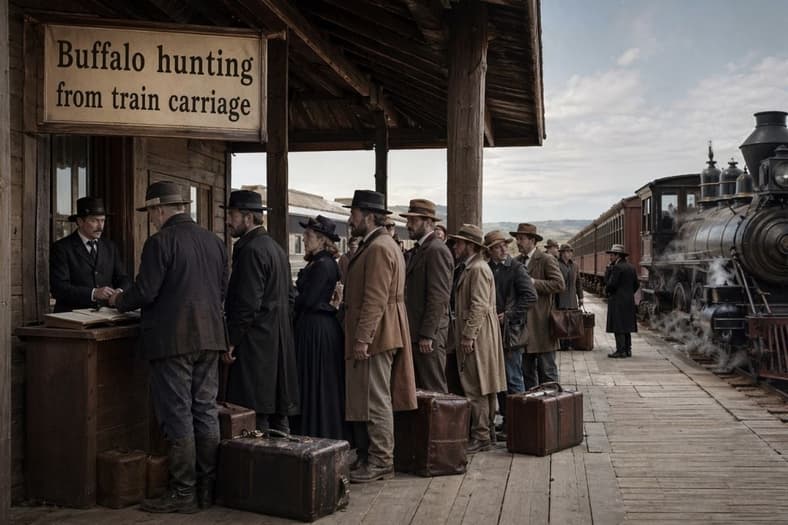
A University of Texas at Arlington history piece describes how railroad access made large-scale buffalo hunting easier and even mentions hunting from inside passenger cars. The Smithsonian reported that by the end of the 19th century only about 300 buffalo remained in the wild. That mix of sport, commerce, and total disregard is hard to imagine now.
5. Mercury passed as a cure
A report from Science Friday explains that people once saw mercury as a safe remedy for everything from melancholy to syphilis. Medical literature also shows mercury compounds such as calomel were added to teething powders for children until their toxicity became more widely recognized. That is the part that really jumps out. Families brought this stuff into the home believing it was help, not harm. Selling a consumer treatment like that today would run straight into modern safety rules, and for very good reason.
6. The alternative to divorce
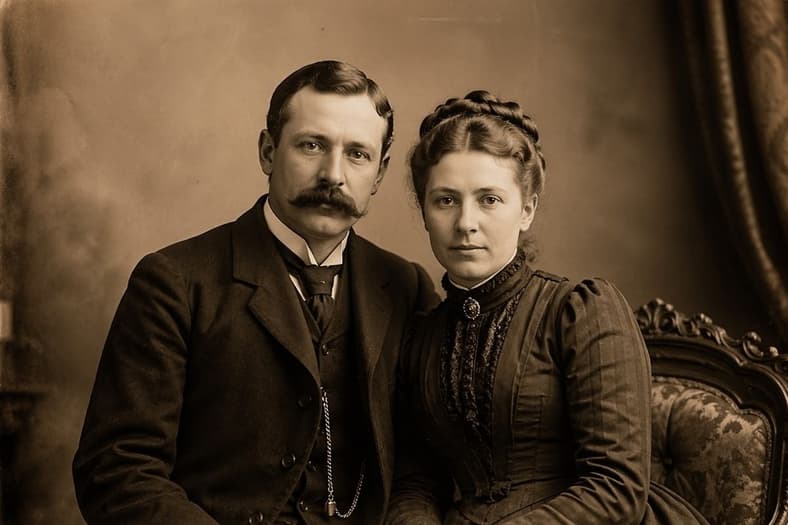
Elizabeth Packard’s story says a lot about the time, with an Illinois history source reporting that her husband had her committed in 1860 based on his own judgment. Other historical accounts explain that in many states husbands could institutionalize wives with little or no real due process. The National Women’s History Museum and later legal summaries both make clear that this power was written into law in places, not just abused in secret. Today, involuntary commitment requires legal and medical standards that women like Packard were clerly denied.