
 Duane Beckett
Amazingly, many classic American inventions didn’t begin with big launches or perfect plans. A few came from accidents, bad timing, odd problems, and people trying to solve something else entirely. That’s what makes these origin stories fun. Familiar products with very strange beginnings.
Coca-Cola
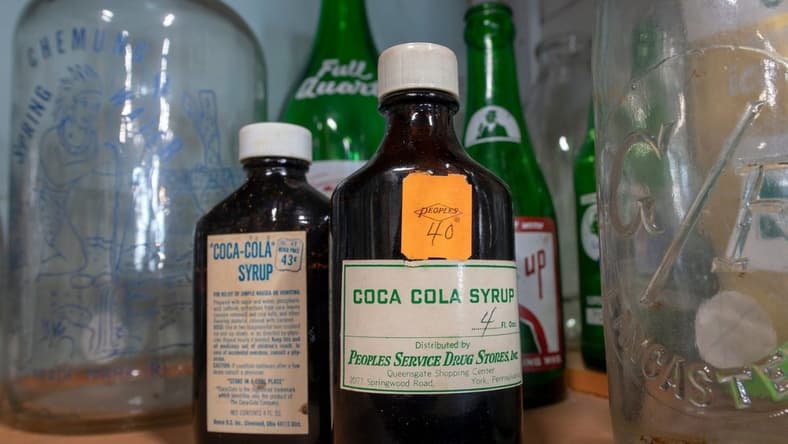
InventorSpot reported that Coca-Cola began in 1886 as a patent medicine, not the soft drink empire we know today.
Dr. John Stith Pemberton, an Atlanta pharmacist, created it after a Civil War injury left him addicted to morphine. He hoped the drink could work as a “brain tonic” for headaches, exhaustion, and nervous trouble.
However, at Jacob’s Pharmacy, the syrup was mixed with carbonated water instead of plain water. That little mistake helped shape an American icon. In its first year, it averaged only nine servings a day.
The pacemaker
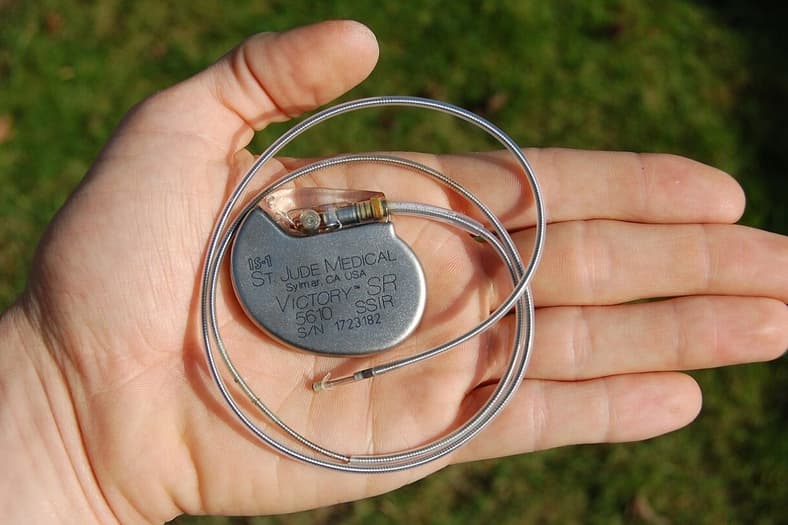
Create Digital reported that Wilson Greatbatch was building a device to record heart sounds in 1956 when he grabbed the wrong resistor from a box. Instead of the part he needed, he used one that made the circuit send out steady pulses. Like a heartbeat.
Greatbatch later realized the rhythm could help drive a human heart. The first human implant came in 1960. One tiny wrong part led to a life-changing device.
Blue jeans
Levi Strauss arrived in San Francisco in 1853 to sell dry goods, not build a clothing legend. The India Today report found that Strauss first planned to sell canvas to Gold Rush miners for tents and wagon covers. However, a prospector supposedly told him he should have brought pants instead. That was the real need.
Even after that, Strauss didn’t create the jeans alone. Tailor Jacob Davis had been using metal rivets to strengthen work pants, but he needed help paying for the patent. The two filed together in 1873 and an empire followed later.
Play-Doh

According to The National Museum of Play, Play-Doh started as a wallpaper cleaner. Noah McVicker of Kutol Products made the soft putty to lift coal soot from walls without tearing wallpaper. Then homes changed and natural gas replaced coal, and washable wallpaper was no longer in demand.
The company was in trouble but a nursery school teacher, Kay Zufall, noticed kids loved playing with the compound. She also pushed for the name Play-Doh. Much better than “Rainbow Modeling Compound.” The rest is very much history.
The microwave
The microwave oven came from World War II radar research. Percy Spencer, a self-taught Raytheon engineer with only a 5th-grade education, was testing magnetrons when a candy bar melted in his pocket. That led to popcorn tests, then an egg that exploded in a coworker’s face. Not exactly a clean lab moment.
Fifty Plus Advocate stated that the first commercial version, the RadaRange, was huge. Six feet tall. About 750 pounds. It cost around $5,000.
WD-40
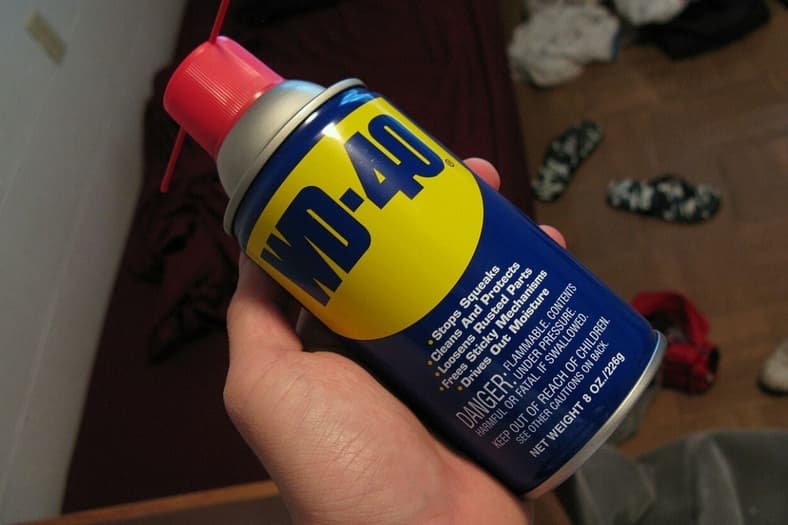
The San Diego Air & Space Museum states that WD-40 was created in 1953 by Norm Larsen at Rocket Chemical Company in San Diego. It wasn’t made for squeaky doors at first. It was built to stop corrosion on the outer skins of Atlas missiles, America’s first intercontinental ballistic missile.
Information about the product’s history shows the name came from the 40th attempt at a Water Displacement formula. However, employees began taking cans home for household use, which highlights its popularity and the company noticed. Soon, rocket science had a place in the garage.